



Optimal carbs for sustained energy and focus: whole grains vs. simple sugars?
Carbohydrates are the body’s primary source of energy, fueling everything from muscle movement to brain function. However, not all carbs are created equal. The type of carbohydrate you consume significantly impacts your energy levels, mental clarity, and overall well-being throughout the day. This article explores the critical distinction between whole grains and simple sugars, guiding you toward optimal choices for sustained energy and focus.
The Power of Whole Grains: Sustained Energy and Focus
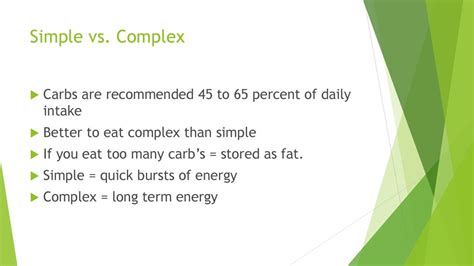
Whole grains, such as oats, brown rice, quinoa, barley, and whole-wheat bread, are complex carbohydrates rich in fiber, vitamins, and minerals. Their intact structure means they are digested slowly, preventing rapid spikes in blood sugar. The fiber content plays a crucial role, slowing down the absorption of glucose into the bloodstream. This gradual release provides a steady, sustained supply of energy to your cells, including your brain.
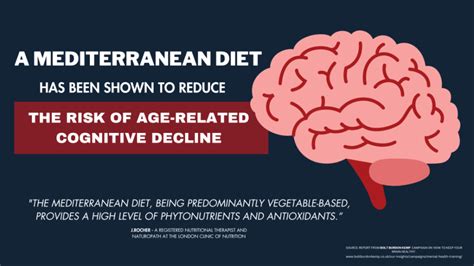
The benefits of whole grains extend beyond just stable energy. A consistent blood glucose level supports improved cognitive function, enhanced concentration, and better mood regulation, helping you maintain focus and productivity without the mid-day slump often associated with less optimal carb choices.

Simple Sugars: The Energy Rollercoaster
In contrast, simple sugars—found in candy, sugary drinks, white bread, pastries, and many processed foods—are refined carbohydrates stripped of their fiber and many nutrients. Because they lack fiber, they are rapidly digested and absorbed, leading to a quick surge in blood glucose. While this provides an immediate burst of energy, it’s often followed by an equally rapid drop, commonly known as a “sugar crash.”
This rapid fluctuation in blood sugar can leave you feeling fatigued, irritable, and struggling to concentrate. For individuals aiming for sustained energy and sharp mental focus, relying on simple sugars can create a disruptive cycle of highs and lows that hinders productivity and overall well-being.
The Glycemic Index and Load: A Guiding Principle
The Glycemic Index (GI) and Glycemic Load (GL) are valuable tools for understanding how different carbohydrates affect blood sugar. Foods with a high GI cause a rapid rise in blood sugar, while low GI foods lead to a slower, more gradual increase. Whole grains generally have a lower GI and GL compared to simple sugars, reflecting their slow-release energy profile. Opting for foods lower on the GI scale is a practical way to manage blood sugar and maintain energy levels.

Strategies for Optimal Carbohydrate Intake
To harness the power of optimal carbs for sustained energy and focus, consider these strategies:
- Prioritize Whole Grains: Make whole grains the foundation of your carbohydrate intake. Swap white rice for brown rice or quinoa, choose whole-wheat bread over white bread, and incorporate oats into your breakfast.
- Limit Added Sugars: Be mindful of hidden sugars in processed foods, beverages, and snacks. Read labels carefully and opt for naturally sweet foods like fruits.
- Combine Carbs with Protein and Healthy Fats: Pairing carbohydrates with protein and healthy fats can further slow down digestion and stabilize blood sugar. For example, enjoy whole-grain toast with avocado and an egg, or oatmeal with nuts and berries.
- Portion Control: Even healthy carbohydrates should be consumed in appropriate portions to avoid excess calorie intake and maintain balanced blood sugar.

Conclusion
The choice between whole grains and simple sugars has a profound impact on your body’s energy regulation and your cognitive performance. By consciously opting for complex carbohydrates from whole grains, you provide your body with a steady, reliable fuel source that supports sustained energy, sharp focus, and overall vitality. Making this dietary shift is a fundamental step towards optimizing your physical and mental well-being.