


Efficient workout: Maximize hypertrophy & strength in less time?
The Quest for Time-Efficient Gains
In today’s fast-paced world, finding ample time for extensive gym sessions can be a significant challenge. Many aspiring lifters and athletes struggle with balancing work, family, and other commitments, often leading them to believe that maximizing muscle hypertrophy and strength requires hours upon hours in the gym. Fortunately, this isn’t necessarily true. By understanding and applying key training principles, it’s entirely possible to achieve impressive results with shorter, more focused workouts.
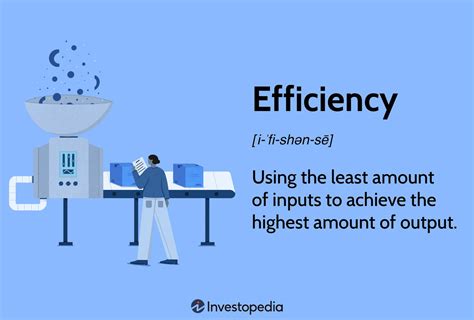
The secret lies not in the quantity of time spent, but in the quality and intensity of your training. This article will delve into the strategies and principles that allow you to make every minute count, ensuring you stimulate maximum growth and strength adaptations efficiently.
Core Principles of Efficient Training
To get the most out of shorter workouts, you must be disciplined and strategic. The foundation of any effective training program, regardless of its duration, rests on a few immutable principles:

Intensity Over Volume
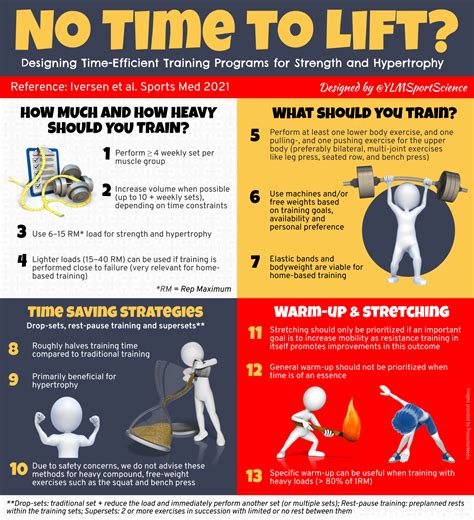
For hypertrophy and strength, challenging your muscles with sufficient intensity is paramount. Instead of performing countless sets with moderate weight, focus on fewer sets performed closer to muscular failure with heavier loads. This approach sends a strong signal to your body to adapt and grow, often more effectively than high-volume, low-intensity training.
Smart Exercise Selection
Compound exercises should be the cornerstone of your routine. Movements like squats, deadlifts, bench presses, overhead presses, and rows engage multiple muscle groups simultaneously, providing a greater training stimulus in less time. Isolating individual muscles has its place, but for efficiency, prioritize compound lifts that offer the biggest bang for your buck.

Progressive Overload is Non-Negotiable
Your muscles adapt to stress. To continue growing stronger and larger, you must consistently increase the demands placed upon them. This can be achieved by increasing the weight lifted, performing more repetitions with the same weight, improving form, or decreasing rest times. Without progressive overload, even the most intense workout will eventually lead to a plateau.
Optimal Rest Periods (Within Reason)
While extremely short rest periods can boost cardiovascular fitness, they might compromise your ability to lift heavy for strength and hypertrophy. For compound lifts, aim for 60-120 seconds of rest between sets to allow for adequate recovery and maintain intensity. For isolation exercises, slightly shorter rest periods may be acceptable.
Strategies for Time-Crunched Workouts
Once you understand the core principles, you can implement specific strategies to pack more work into less time:
Supersetting and Tri-setting
This involves performing two or more exercises back-to-back with minimal rest in between, followed by a longer rest period. For example, a bench press immediately followed by bent-over rows (antagonistic superset) or lunges followed by calf raises (non-competing superset). This dramatically reduces total workout time while maintaining a high work output.

Drop Sets and Rest-Pause Training
- Drop Sets: Perform a set to failure, then immediately reduce the weight and continue for more reps until failure again. Repeat this 1-2 more times. This allows you to extend a set beyond typical muscular failure, maximizing muscle fiber recruitment.
- Rest-Pause Training: Perform a set to failure, rest for a very short period (10-20 seconds), then continue for a few more reps with the same weight. This technique also pushes past conventional failure points.
Full Body Workouts vs. Split Routines
For individuals with limited time, full-body workouts performed 2-3 times per week are often more effective than traditional body part splits. A full-body routine allows you to hit each muscle group frequently, providing consistent stimulation for growth and strength without requiring daily gym visits. This also ensures that if you miss a session, you haven’t missed training an entire body part for the week.

Sample Efficient Workout Routine (3 Days/Week)
Here’s an example of how you might structure an efficient full-body routine:
Workout A:
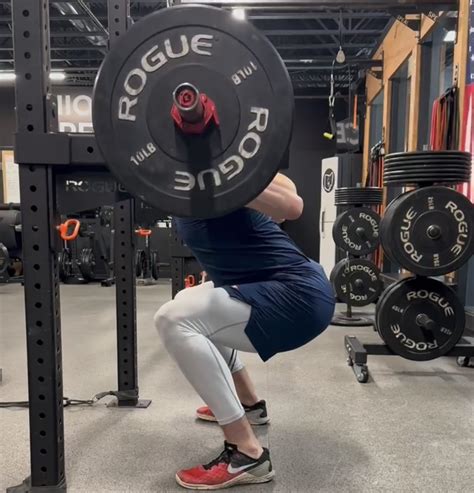
- Barbell Squats: 3 sets of 5-8 reps
- Bench Press: 3 sets of 5-8 reps
- Bent-Over Rows: 3 sets of 6-10 reps
- Overhead Press: 2 sets of 6-10 reps
- Plank: 3 sets to failure
Workout B:
- Deadlifts: 1-2 warm-up sets, 1-2 working sets of 3-5 reps (heavy)
- Weighted Pull-ups (or Lat Pulldowns): 3 sets of 6-10 reps
- Dumbbell Incline Press: 3 sets of 8-12 reps
- Leg Press (or Lunges): 3 sets of 10-15 reps
- Triceps Pushdowns (supersetted with Bicep Curls): 3 sets of 10-15 reps each
Alternate between Workout A and Workout B on non-consecutive days (e.g., Monday, Wednesday, Friday), allowing for rest and recovery. Adjust sets/reps and incorporate supersets/drop sets as you advance and feel comfortable.
The Bottom Line
Maximizing hypertrophy and strength in less time is not a myth; it’s a science-backed reality. By focusing on high intensity, compound movements, progressive overload, and intelligent training techniques like supersets and rest-pause, you can achieve significant results even with a packed schedule. Consistency, proper nutrition, and adequate rest remain crucial for success. Stop chasing endless hours in the gym and start training smarter, not just harder.