




Optimize men’s diet for peak energy, muscle & cognitive performance?

Fueling the Male Body for Optimal Performance
For men striving for peak performance in all aspects of life – from demanding workouts to mentally challenging work – diet is not just about sustenance; it’s the foundation. An optimized nutritional strategy can dramatically impact energy levels, support robust muscle growth and recovery, and sharpen cognitive function, ensuring you’re performing at your best, day in and day out.
Achieving this requires a thoughtful approach to macronutrients, micronutrients, hydration, and meal timing. It’s about building a plate that supports your specific physiological needs and performance goals.

Sustained Energy: The Power of Macronutrients and Hydration
Consistent energy is vital for avoiding the afternoon slump and powering through daily demands. This begins with a balanced intake of macronutrients:
- Complex Carbohydrates: These are your body’s preferred energy source. Opt for whole grains like oats, brown rice, quinoa, and sweet potatoes. They provide a steady release of glucose, preventing energy spikes and crashes.
- Healthy Fats: Essential for hormone production, nutrient absorption, and sustained energy. Incorporate avocados, nuts, seeds, olive oil, and fatty fish (like salmon) into your diet.
- Lean Proteins: While crucial for muscle, protein also contributes to satiety and helps stabilize blood sugar, offering a secondary energy source when carbs are low.
Beyond food, adequate hydration is non-negotiable. Dehydration can lead to fatigue, reduced focus, and decreased physical performance. Aim for at least 8-10 glasses of water daily, increasing intake during exercise or hot weather.
Building Strength: Muscle Growth and Recovery
For men focused on muscle development and recovery, protein is king, but not the only player. A comprehensive approach involves:
- High-Quality Protein: Target 1.6-2.2 grams of protein per kilogram of body weight per day, distributed throughout meals. Sources include lean meats, poultry, fish, eggs, dairy, and plant-based options like legumes and tofu.
- Essential Amino Acids (EAAs): Ensure your protein sources provide a full spectrum of EAAs, especially branched-chain amino acids (BCAAs), critical for muscle protein synthesis.
- Micronutrients for Muscle Function: Magnesium, zinc, and Vitamin D play crucial roles in muscle contraction, repair, and testosterone production. Leafy greens, nuts, seeds, and fortified foods are good sources.
- Antioxidants: To combat exercise-induced oxidative stress and aid recovery, include plenty of colorful fruits and vegetables rich in antioxidants.
Sharpening the Mind: Cognitive Performance
A diet optimized for the brain can enhance focus, memory, and overall cognitive function:
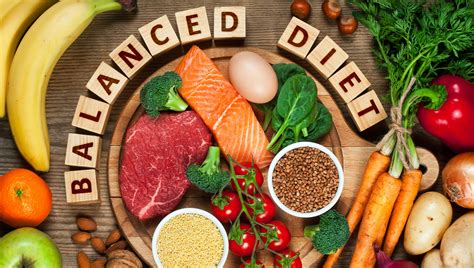
- Omega-3 Fatty Acids: Particularly DHA, found in fatty fish, walnuts, and flaxseeds, are vital for brain structure and function. They support neural communication and reduce inflammation.
- B Vitamins: B6, B9 (folate), and B12 are critical for neurotransmitter synthesis and energy metabolism in the brain. Found in whole grains, leafy greens, eggs, and fortified cereals.
- Antioxidant-Rich Foods: Berries, dark chocolate, and dark leafy greens protect brain cells from damage and support cognitive health.
- Gut-Brain Axis Support: A healthy gut microbiome positively influences brain function. Incorporate probiotics (yogurt, kefir, fermented foods) and prebiotics (fiber-rich foods like oats, bananas, onions) to nourish your gut.

Practical Strategies for Dietary Optimization
Implementing these principles effectively requires practical strategies:
- Prioritize Whole Foods: Base your diet around unprocessed, natural foods. Minimize intake of refined sugars, trans fats, and artificial ingredients.
- Meal Planning and Preparation: Plan your meals in advance to ensure you have nutrient-dense options readily available and avoid impulsive unhealthy choices.
- Strategic Meal Timing: Consider when you eat. Distributing protein intake evenly throughout the day can maximize muscle protein synthesis. Consuming complex carbs before workouts can fuel performance, while post-workout nutrition aids recovery.
- Listen to Your Body: Pay attention to how different foods affect your energy, digestion, and mood. Adjust your diet based on individual responses and performance metrics.

Conclusion: A Holistic Approach to Men’s Nutrition
Optimizing your diet for peak energy, muscle, and cognitive performance is an ongoing journey that emphasizes consistency, quality, and mindful eating. By focusing on nutrient-dense whole foods, adequate hydration, and strategic macronutrient balance, men can unlock their full potential both physically and mentally. Remember, a well-nourished body and mind are your most powerful tools for achieving sustained success and overall well-being.