




How to prevent razor burn for a consistently sharp, irritation-free professional edge?
Understanding and Tackling Razor Burn
Razor burn is an unwelcome companion for anyone striving for a consistently sharp, irritation-free professional appearance. Characterized by redness, bumps, and an uncomfortable stinging sensation, it can undermine even the most meticulous grooming efforts. Far from just a cosmetic nuisance, razor burn indicates skin irritation that, if not addressed, can lead to ingrown hairs and prolonged discomfort. Achieving that perfectly smooth, professional edge requires more than just a quick shave; it demands a strategic approach to preparation, technique, and aftercare.
Pre-Shave Ritual: The Foundation of a Smooth Shave
The secret to preventing razor burn begins long before the blade touches your skin. Proper preparation is paramount to softening hair and creating an optimal surface for shaving. Start by washing your face with a gentle cleanser to remove dirt, oil, and dead skin cells that can clog your razor. Consider a mild exfoliant 1-2 times a week to further clear pores and lift hairs, but avoid over-exfoliating immediately before a shave, especially if you have sensitive skin.
Next, apply a warm compress or take a hot shower to open pores and soften stubble. This makes the hair much easier to cut, reducing drag and the need for excessive pressure. A pre-shave oil can also be a game-changer, creating a protective barrier between your skin and the blade, enhancing glide and further softening whiskers.

Selecting and Maintaining Your Shaving Arsenal
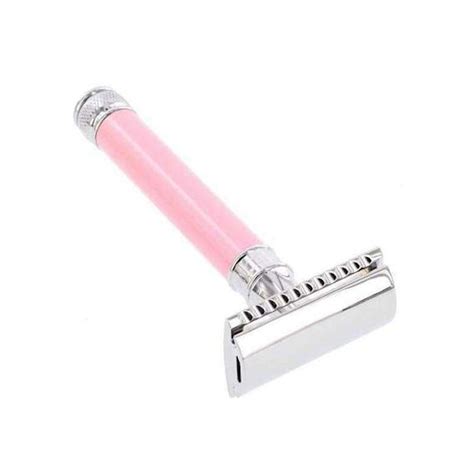
The tools you use play a critical role in preventing irritation. A dull blade is the primary culprit behind razor burn, tugging at hairs rather than cutting them cleanly. Invest in high-quality razor blades and replace them frequently – typically after 3-5 shaves, or at the first sign of discomfort. Whether you prefer a multi-blade cartridge, a safety razor, or a straight razor, ensure the blade is always sharp and clean.
Pair your sharp blade with a rich, lubricating shave cream or gel. Avoid aerosol foams that often contain drying alcohols. Instead, opt for a cream that produces a thick, dense lather, which provides ample cushioning and allows the blade to glide effortlessly. Using a shave brush can help lift hairs and create a richer lather, further enhancing the shaving experience.

Mastering the Art of Shaving Technique
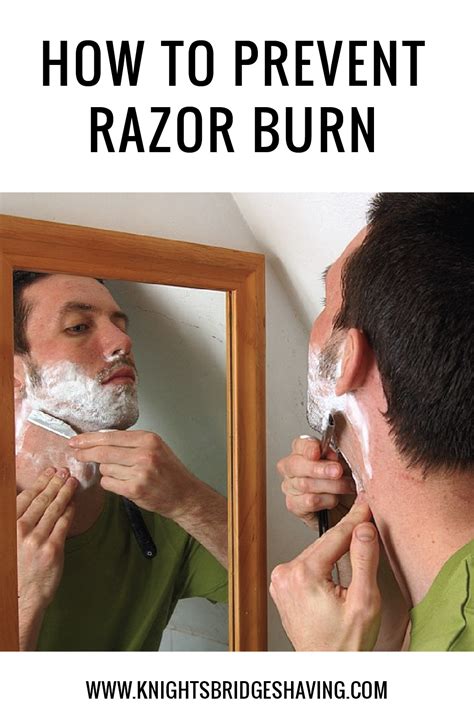
Even with the best preparation and tools, improper technique can still lead to razor burn. The cardinal rule is to shave with the grain, meaning in the direction your hair grows. While shaving against the grain might offer a closer shave, it significantly increases the risk of irritation and ingrown hairs. For a closer finish, you can do a second pass across the grain, but never directly against it, especially if you’re prone to sensitivity.
Use light, short strokes without applying excessive pressure. Let the sharpness of the blade do the work. Rinse your razor frequently under warm water to clear away hair and shaving cream, ensuring a clean cutting surface for every stroke. Stretching your skin taut gently can help present the hair better to the blade, but avoid overstretching or tugging.

Essential Post-Shave Care for Soothed Skin
The moments immediately after shaving are just as crucial as the preparation. Rinse your face thoroughly with cool water to close pores and remove any residual shaving cream. Gently pat your skin dry with a clean, soft towel – do not rub vigorously, as this can irritate freshly shaven skin.
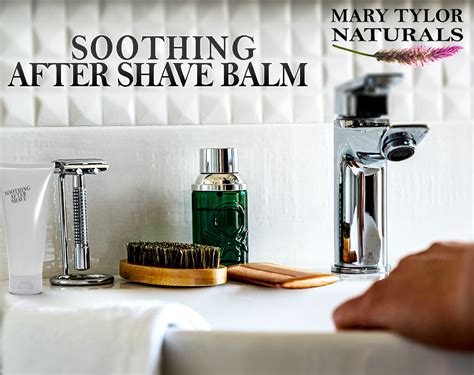
Follow with an alcohol-free aftershave balm or moisturizer. Look for ingredients like aloe vera, witch hazel, chamomile, or shea butter, which are known for their soothing, hydrating, and anti-inflammatory properties. These products help to restore moisture, calm any redness, and protect your skin from environmental stressors. Avoid harsh aftershaves containing high alcohol content, as they can dry out and irritate your skin.
Consistency and Healthy Habits
Preventing razor burn is an ongoing commitment, not a one-time fix. Consistently adhere to your improved shaving routine. Regularly inspect your razor blades and replace them promptly. Store your shaving tools in a clean, dry place to prevent bacterial growth. If you experience persistent razor burn or ingrown hairs, consider changing your shaving frequency, trying different blade types, or consulting a dermatologist.
By integrating these meticulous steps into your grooming regimen, you can bid farewell to razor burn and consistently achieve that sharp, smooth, and irritation-free professional edge you desire. It’s an investment in your comfort and confidence.