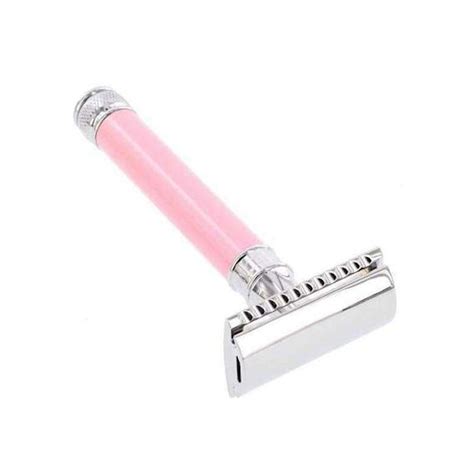





How to prevent razor burn and ingrowns for a sharp, high-performance look?

For many, achieving a clean, close shave is often accompanied by the dreaded duo: razor burn and ingrown hairs. These uncomfortable and unsightly skin irritations can undermine even the sharpest personal style. However, with the right knowledge and a consistent routine, you can banish these nuisances and maintain a high-performance, impeccably groomed appearance. This guide will walk you through the essential steps to prevent razor burn and ingrowns, ensuring a smooth, confident look every time.
Understanding the Enemy: Razor Burn and Ingrown Hairs
Before we dive into prevention, let’s quickly understand what we’re up against.
What is Razor Burn?
Razor burn is an irritation of the skin caused by shaving. It typically manifests as redness, stinging, tenderness, and sometimes small red bumps. It’s often the result of improper shaving technique, a dull blade, or insufficient lubrication.
What are Ingrown Hairs?
Ingrown hairs occur when a shaved or tweezed hair curls back or grows sideways into the skin instead of growing out. This can cause red, itchy, and sometimes painful bumps, which can occasionally become infected. They are particularly common in areas with coarse or curly hair.

The Pre-Shave Ritual: Laying the Foundation for Smoothness
A successful shave begins long before the blade touches your skin. Proper preparation is crucial for softening hair, opening pores, and creating a protective barrier.
1. Exfoliate Gently
Two to three times a week, use a mild facial scrub or an exfoliating brush to remove dead skin cells and lift hairs away from the skin. This helps prevent hairs from getting trapped and becoming ingrown.
2. Warm Water & Steam
Shave after a warm shower or by applying a hot, damp towel to your face for a few minutes. The warmth and steam soften the hair follicles and open up pores, making the hair easier to cut and reducing tugging.
3. Apply Pre-Shave Oil
A good quality pre-shave oil creates an extra layer of lubrication, helping the razor glide more smoothly and reducing friction. It’s particularly beneficial for sensitive skin or coarse hair.
The Shave Itself: Technique is Key
How you wield your razor makes all the difference in preventing irritation.
1. Use a Sharp, Clean Blade
This is non-negotiable. Dull blades drag and pull at hairs, leading to irritation and an uneven shave. Change your razor blade every 5-7 shaves, or at the first sign of tugging. Rinse your blade thoroughly after each stroke to clear away hair and shaving cream.

2. Lather Up with Quality Shaving Cream or Gel
Choose a rich, moisturizing shaving cream or gel that creates a thick lather. This cushions the skin, lifts the hairs, and provides essential lubrication. Avoid products with excessive alcohol or harsh chemicals, which can dry out and irritate the skin.
3. Shave With the Grain (Mostly)
For your first pass, always shave in the direction your hair grows (with the grain). This minimizes pulling and reduces the risk of irritation. If you need a closer shave, you can do a second pass across the grain, but avoid shaving against the grain, especially if you’re prone to ingrowns or razor burn.
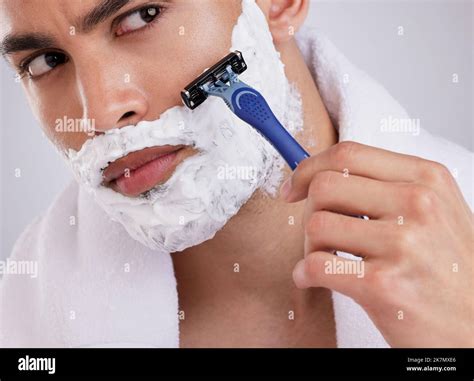
4. Light, Gentle Strokes
Let the sharpness of the blade do the work. Apply minimal pressure and use short, controlled strokes. Pressing too hard can cause nicks, cuts, and irritation.
Post-Shave Care: Soothe, Hydrate, and Protect
What you do immediately after shaving is just as important as the shave itself.
1. Rinse with Cold Water
After you’ve finished shaving, rinse your face with cold water. This helps to close pores, soothe the skin, and reduce redness.
2. Apply an Alcohol-Free Aftershave Balm or Lotion
Skip the stinging alcohol-based aftershaves. Instead, opt for a soothing, hydrating balm or lotion containing ingredients like aloe vera, witch hazel, or chamomile. These help to calm irritation, reduce inflammation, and restore moisture to the skin.
3. Moisturize Daily
Keep your skin well-hydrated, even on non-shaving days. A good moisturizer helps maintain skin elasticity and ensures hair can grow out freely without getting trapped beneath dry skin.
Addressing Stubborn Ingrowns and Long-Term Strategies
If ingrowns are a persistent issue, consider these additional steps:
- Targeted Treatments: Products containing salicylic acid or glycolic acid can help exfoliate the skin and release trapped hairs. Use them as directed, typically a few times a week.
- Don’t Pick: Resist the urge to pick at or dig out ingrown hairs, as this can lead to infection and scarring.
- Consider Alternative Hair Removal: If your skin is extremely sensitive or prone to severe ingrowns, explore options like electric razors (which don’t cut as close), depilatory creams, or laser hair removal.

Conclusion
Preventing razor burn and ingrown hairs isn’t about magic; it’s about establishing a consistent, mindful grooming routine. By investing in quality tools, understanding your skin and hair, and following these essential steps before, during, and after your shave, you can achieve a truly sharp, high-performance look free from irritation. Embrace these habits, and enjoy the confidence that comes with a perfectly smooth, healthy complexion.