




How to optimize diet for natural testosterone boost & peak male performance?
For men seeking to enhance their vitality, energy, and overall well-being, optimizing natural testosterone levels is often a primary goal. Testosterone, the cornerstone male hormone, plays a crucial role not just in muscle growth and libido, but also in mood, bone density, and cognitive function. While many factors influence hormone balance, diet stands as one of the most powerful and accessible levers you can pull to naturally boost your testosterone and achieve peak male performance.
Understanding Testosterone’s Role in Male Health
Testosterone is more than just a “sex hormone.” It’s fundamental to nearly every aspect of male physiology. Adequate levels contribute to maintaining muscle mass and strength, reducing body fat, improving bone density, boosting energy levels, enhancing mood, and supporting a healthy libido. When testosterone levels dip below optimal, men can experience fatigue, decreased muscle mass, increased body fat, reduced sex drive, and even mood disturbances. Fortunately, strategic dietary adjustments can make a significant difference.

The Macronutrient Blueprint for Testosterone
The balance of fats, proteins, and carbohydrates in your diet profoundly impacts hormone production.
Healthy Fats: Your Hormonal Allies
Cholesterol, derived from dietary fats, is the precursor to all steroid hormones, including testosterone. Therefore, sufficient intake of healthy fats is non-negotiable. Focus on monounsaturated and polyunsaturated fats, as well as saturated fats from quality sources in moderation.
- Monounsaturated Fats (MUFAs): Found in avocados, olive oil, nuts (almonds, pecans), and seeds. These have been linked to higher testosterone levels.
- Polyunsaturated Fats (PUFAs): Especially Omega-3 fatty acids from fatty fish (salmon, mackerel, sardines), flaxseeds, and walnuts. Omega-3s can reduce inflammation, which indirectly supports hormone health.
- Saturated Fats: While often demonized, moderate amounts from sources like grass-fed butter, coconut oil, and quality red meat are vital for cholesterol production and, consequently, testosterone synthesis. Avoid excessive intake of highly processed saturated fats.
Protein Power: Building Blocks for Health
Adequate protein intake is essential for muscle maintenance and growth, which in turn supports a healthy hormonal profile. Aim for 0.7-1 gram of protein per pound of body weight, spread throughout your meals.
- Sources: Lean meats (chicken, turkey, grass-fed beef), eggs, dairy (Greek yogurt, cottage cheese), fish, and plant-based proteins like lentils, beans, and quinoa.
- Benefit: Protein helps regulate blood sugar, preventing insulin spikes that can negatively impact testosterone production.
Smart Carbohydrates: Fueling Performance
Carbohydrates provide energy and support thyroid function, which is intertwined with testosterone. However, the type and timing of carbs matter. Opt for complex carbohydrates with a low glycemic index.
- Sources: Whole grains (oats, brown rice, quinoa), fruits, vegetables, and legumes.
- Avoid: Refined sugars, white bread, pastries, and sugary drinks, which can lead to insulin resistance and lower testosterone.

Essential Micronutrients: The Hidden Boosters
While macronutrients lay the foundation, specific vitamins and minerals act as crucial cofactors for testosterone production.
Vitamin D: The Sunshine Hormone
Often referred to as a pro-hormone, Vitamin D is directly linked to testosterone levels. Studies show that men with sufficient Vitamin D levels tend to have higher testosterone. Aim for regular sun exposure, especially in warmer months, and consider supplementation if levels are low.
Zinc: A Mineral Marvel
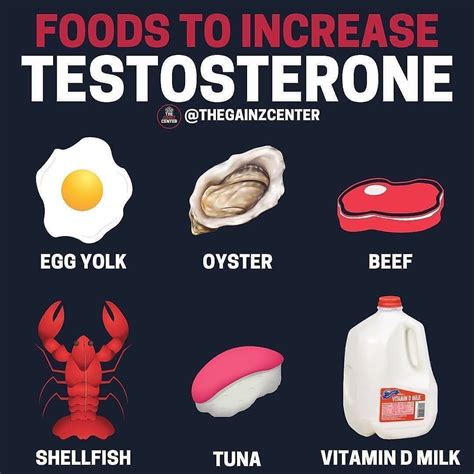
Zinc is vital for numerous bodily functions, including immune health and testosterone production. Deficiency is common and can lead to lower testosterone. Good sources include oysters (exceptionally high), red meat, poultry, beans, nuts, and fortified cereals.
Magnesium: The Relaxation and Performance Mineral
Magnesium plays a role in over 300 enzymatic reactions, including those involved in testosterone synthesis and binding. It can reduce the amount of sex hormone-binding globulin (SHBG), making more free testosterone available. Dark leafy greens, nuts (almonds, cashews), seeds, and dark chocolate are excellent sources.
Other Key Vitamins and Minerals
- Vitamin K2: Found in fermented foods and grass-fed dairy, may support testosterone.
- Boron: A trace mineral that may influence testosterone and estrogen metabolism.
- B Vitamins: Especially B6, B9 (folate), and B12, support energy metabolism and hormonal health.

Foods to Embrace for Testosterone Optimization
Incorporate these nutrient-dense foods into your daily diet:
- Fatty Fish: Salmon, mackerel, sardines (rich in Omega-3s and Vitamin D).
- Leafy Green Vegetables: Spinach, kale, collard greens (high in magnesium, zinc, and other vitamins).
- Eggs: Whole eggs are a powerhouse of healthy fats, protein, and Vitamin D.
- Oysters: One of the best dietary sources of zinc.
- Avocados: Packed with healthy monounsaturated fats.
- Berries: Blueberries, raspberries, strawberries (antioxidants).
- Cruciferous Vegetables: Broccoli, cauliflower, Brussels sprouts (contain compounds that help manage estrogen).
- Garlic & Ginger: May have beneficial effects on testosterone.
- Nuts & Seeds: Almonds, walnuts, pumpkin seeds, flaxseeds (healthy fats, zinc, magnesium).
- Red Meat (Grass-fed): A good source of protein, zinc, and healthy fats.
Foods to Limit or Avoid
Just as important as what you eat is what you limit or avoid.
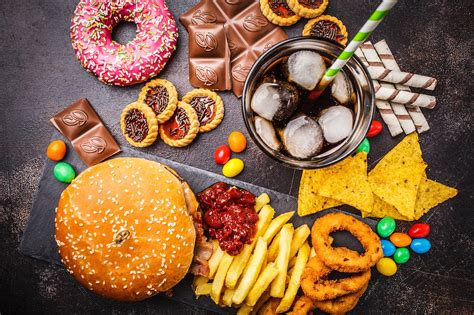
- Processed Foods: Often high in unhealthy fats, sugar, and sodium, which can promote inflammation and disrupt hormone balance.
- Excessive Sugar: Contributes to insulin resistance, inflammation, and can directly lower testosterone.
- Unhealthy Fats: Trans fats and excessive amounts of highly refined vegetable oils (e.g., soybean, corn oil) can negatively impact hormone health.
- Excessive Alcohol: Chronic heavy drinking can significantly reduce testosterone levels. Moderate consumption may be acceptable.
- Soy Products (in excess): While some soy in moderation is fine, very high intake, especially of processed soy, might contain phytoestrogens that could potentially interfere with testosterone in some individuals.
Hydration and Lifestyle Synergy
While diet is paramount, it’s part of a larger picture:
- Hydration: Drink plenty of water. Dehydration can impair overall bodily function, including hormone regulation.
- Quality Sleep: Aim for 7-9 hours of quality sleep per night. Testosterone is predominantly produced during deep sleep.
- Stress Management: Chronic stress elevates cortisol, which can suppress testosterone production. Incorporate stress-reducing activities like meditation, yoga, or hobbies.
- Regular Exercise: Especially strength training and high-intensity interval training (HIIT), can significantly boost testosterone.

Crafting Your Optimized Diet Plan
Start by making small, sustainable changes. Instead of drastic overhauls, gradually incorporate more of the beneficial foods and reduce those that hinder testosterone production. Focus on whole, unprocessed foods, prioritize healthy fats, adequate protein, and smart carbohydrates. Listen to your body and consider consulting with a healthcare professional or registered dietitian for personalized advice, especially if you have existing health conditions.
Conclusion
Optimizing your diet is a powerful, natural strategy to boost testosterone and unlock peak male performance. By focusing on a balanced intake of healthy fats, quality proteins, complex carbohydrates, and essential micronutrients, you can create a hormonal environment conducive to vitality, strength, and overall well-being. Coupled with a healthy lifestyle, these dietary changes can lead to a significant and sustainable improvement in your physical and mental health.