





How to optimize 30-min workouts for maximum muscle gain and peak performance?
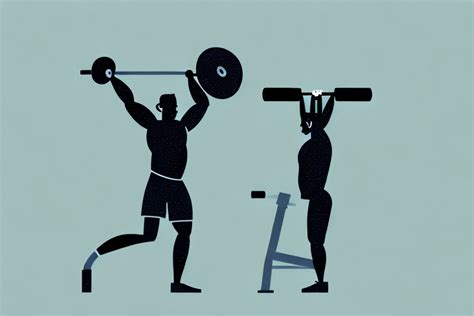
The Power of Brief, Intense Workouts
In today’s fast-paced world, finding an hour or more for a workout can feel like a luxury. The good news is that you don’t need endless gym time to build significant muscle and improve athletic performance. A well-structured, intense 30-minute session can be incredibly effective, provided you know how to maximize every single minute. The key lies in strategic planning, exercise selection, and unwavering intensity.
Optimizing short workouts isn’t just about rushing through exercises; it’s about making smart choices that yield disproportionate results. It means prioritizing movements that offer the biggest bang for your buck and leveraging intensity techniques to create a powerful stimulus for growth and adaptation.
Pillars of a 30-Minute Powerhouse Routine
1. Strategic Warm-up & Cool-down (5-7 minutes)
Even with limited time, a proper warm-up is non-negotiable. Dedicate 3-5 minutes to dynamic stretching and light cardio to increase blood flow, activate target muscles, and prepare your nervous system. This could include jumping jacks, arm circles, leg swings, and a few light reps of your first exercise. Finish your session with 2-3 minutes of static stretching or foam rolling to aid recovery and flexibility.
2. Compound Movements Rule (15-20 minutes)
For maximum muscle gain and performance, focus predominantly on compound exercises. These movements work multiple muscle groups simultaneously, burning more calories, stimulating greater hormone release, and building functional strength more efficiently than isolation exercises. Think squats, deadlifts, overhead presses, bench presses, rows, and pull-ups. Select 3-4 key compound exercises per session.

3. Intensity is Non-Negotiable
With less time, every set and rep must count. Push yourself with these intensity techniques:
- Supersets: Pair two non-competing exercises (e.g., bench press followed immediately by bent-over rows) with minimal rest between them. Rest only after completing both exercises.
- Drop Sets: After reaching muscle failure on a set, immediately drop the weight by 20-30% and perform more reps until failure again. Repeat for 1-2 drops.
- Rest-Pause Training: Perform a set to near failure, rack the weight, take 10-15 seconds of rest, then perform a few more reps. Repeat 1-2 times.
- Short Rest Periods: Keep rest between sets to 30-60 seconds to maintain an elevated heart rate and metabolic stress, crucial for muscle hypertrophy.

4. Mind-Muscle Connection
Focus on truly feeling the target muscle working throughout the entire range of motion. Don’t just lift the weight; contract the muscle. This enhances muscle activation and ensures that your effort is directed where it needs to be, maximizing the effectiveness of each rep.
Structuring Your 30-Minute Session
Here’s a template to guide your optimal 30-minute workout:
- Warm-up (5 minutes): Light cardio and dynamic stretches.
- Main Lifts (20-22 minutes): Choose 2-3 compound exercises. Perform 3-4 sets of 6-12 reps for muscle gain, incorporating supersets or drop sets. For performance, focus on lower reps (3-5) with heavier weight for 2-3 exercises.
- Finisher/Core (3-5 minutes): A quick circuit of bodyweight exercises (e.g., push-ups, burpees) or a dedicated core routine (planks, leg raises).
- Cool-down (2-3 minutes): Static stretches for major muscle groups.
Beyond the Gym: Nutrition and Recovery
Your 30 minutes of intense effort can only yield results if supported by what happens outside the gym. Proper nutrition is paramount:
- Protein Intake: Consume adequate protein (1.6-2.2g per kg of body weight) to support muscle repair and growth.
- Carbohydrates: Fuel your intense workouts and replenish glycogen stores with complex carbohydrates.
- Healthy Fats: Essential for hormone production and overall health.
- Hydration: Drink plenty of water throughout the day.
Equally important is recovery. Aim for 7-9 hours of quality sleep per night. Sleep is when your body repairs and rebuilds muscle tissue, solidifying your gains and preparing you for the next session. Without sufficient recovery, even the most optimized workouts will fall short.

Tracking Progress and Adaptability
To ensure continuous progress, keep a workout log. Track exercises, sets, reps, and weights. This allows you to implement progressive overload, which is key for muscle gain and performance improvements. Strive to lift more, do more reps, or reduce rest times over time. Listen to your body and adjust your routine as needed, allowing for deload weeks or varying exercises to prevent plateaus and minimize injury risk.

Conclusion
Optimizing your 30-minute workouts for maximum muscle gain and peak performance is entirely achievable with the right strategy. By focusing on compound movements, embracing high-intensity techniques, ensuring proper nutrition, and prioritizing recovery, you can create a powerful, time-efficient routine that delivers impressive results. Transform your limited time into unlimited potential and prove that quality truly trumps quantity in the gym.