





Struggling with lower back pain during deadlifts? How to fortify core stability?

The Deadlift Dilemma: Understanding Lower Back Pain
The deadlift is revered as a cornerstone exercise for building full-body strength, power, and muscle mass. However, for many lifters, it’s also a source of frustration, often accompanied by unwelcome lower back pain. This discomfort isn’t a badge of honor; it’s usually a signal that something in your technique or foundational strength is lacking. Addressing this pain is crucial, not just for comfort, but for long-term spinal health and continued progress in your lifting journey.
Often, lower back pain during deadlifts stems from a breakdown in form, primarily due to insufficient core stability. When your core can’t effectively stabilize your spine, the lumbar region takes on excessive load and stress, leading to strain, discomfort, and potentially injury. Fortunately, this is a fixable problem with focused effort.
What Does “Core Stability” Really Mean for Deadlifts?
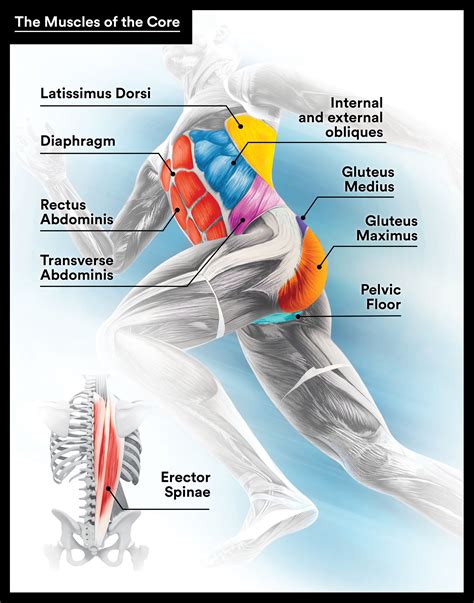
Your “core” is far more than just your rectus abdominis (the six-pack muscles). It’s a complex cylinder of muscles—including the transverse abdominis, obliques, erector spinae, pelvic floor, and diaphragm—that work synergistically to create a rigid, protective brace around your spine. For a heavy lift like the deadlift, this internal bracing mechanism is paramount. It ensures that your spine remains neutral and protected as you hinge, pull, and lock out the weight, allowing your hips and legs to generate power safely.
Without adequate core stability, your spine can round or hyperextend under load, placing shear forces and compression on vulnerable discs and ligaments. This isn’t just inefficient; it’s dangerous. A strong, stable core acts as the transmission system, efficiently transferring force from your legs to the barbell, preventing your lower back from becoming the weakest link.
Fortifying Your Core: Practical Strategies and Exercises
1. Mastering the Intra-Abdominal Brace
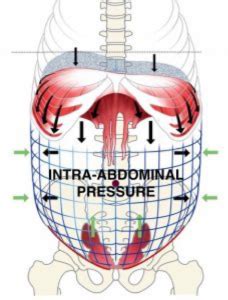
This is the fundamental skill for protecting your spine during heavy lifts. It’s not about sucking in your stomach; it’s about actively pushing your abs outward against your belt (if you wear one) or your own hands. Take a deep breath into your diaphragm, imagine trying to brace for a punch to the gut, and hold that tension throughout the lift. This creates immense internal pressure, stiffening your torso and providing a stable platform for your pull.
Practice this bracing technique without weight first, then with light weights, and consistently apply it to all your heavy lifts. It takes conscious effort to make it second nature.
2. Targeted Core Strengthening Exercises
Incorporate exercises that specifically train your core for anti-extension, anti-flexion, anti-lateral flexion, and anti-rotation—the demands of a deadlift. These movements teach your core to resist unwanted spinal movement under load.
- Planks and Side Planks: Excellent for overall core endurance and resisting extension/lateral flexion. Focus on a straight line from head to heels, squeezing glutes, and bracing the core.
- Dead Bugs: Superb for learning to maintain a neutral spine while moving your limbs, emphasizing controlled anti-extension.
- Bird-Dogs: Similar to dead bugs but performed on hands and knees, focusing on spinal stability through controlled limb movement.
- Pallof Press: Targets anti-rotation, teaching your core to resist twisting forces. Use a cable machine or resistance band.
- Hanging Leg Raises / L-sits: More advanced, challenging the entire core to resist spinal flexion and maintain a hollow body position.

3. Refining Your Deadlift Technique
No amount of core work will fully compensate for poor deadlift form. Continuously work on your technique, starting with lighter weights to ingrain proper movement patterns.
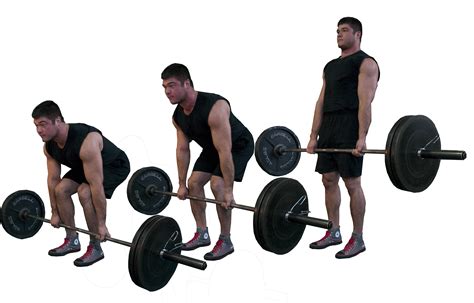
- The Hip Hinge: Learn to initiate the movement by pushing your hips back, not by bending your knees or rounding your lower back. Your shins should remain relatively vertical.
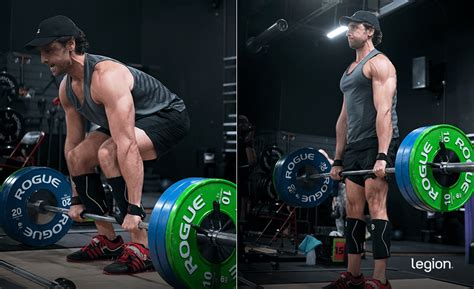
- Neutral Spine: Maintain a straight line from your head to your tailbone throughout the lift. Avoid “cat-back” (rounding) or excessive hyperextension at the top. Use a mirror or film yourself.
- Tension Before the Lift: Before pulling, “take the slack out of the bar.” Create tension through your lats and hamstrings, engaging your entire posterior chain, and ensure your hips are in an optimal starting position.
Integration and Consistency Are Key
Incorporating these core strengthening exercises into your routine 2-3 times a week, alongside diligent practice of bracing and deadlift form, will yield significant results. Start light, prioritize perfect form over heavy weight, and gradually progress. Listen to your body, and if pain persists, consult a qualified coach or physical therapist.
By fortifying your core stability, you transform your body into a robust, integrated unit, ready to tackle heavy deadlifts safely and effectively. Say goodbye to lower back pain and hello to stronger, more confident lifts.