


Beyond lifting: What functional exercises boost male athletic peak performance?
The Core of Athletic Excellence: Why Functional Training Matters
While traditional weightlifting forms a crucial foundation for strength and muscle mass, true athletic peak performance demands more than isolated muscle development. Sports and real-world movements rarely occur in a single plane or involve just one muscle group. Instead, they require a symphony of muscles, joints, and nervous system coordination working in harmony.
This is where functional training shines. It’s an approach that trains the body for the activities you perform, whether on the field, court, or in daily life. For male athletes, functional exercises bridge the gap between raw strength and usable, sport-specific power, agility, and resilience.
Key Pillars of Functional Performance
Functional training doesn’t just focus on moving heavy weight; it emphasizes movements that mimic sports and daily activities. This often means multi-joint, multi-planar exercises that engage several muscle groups simultaneously, fostering better communication between your body’s systems. Key components include:
- Core Stability: The ability to control the trunk and pelvis, crucial for transferring force and preventing injury.
- Mobility: The range of motion around a joint, allowing for efficient and powerful movement.
- Balance: The ability to maintain equilibrium, vital for agility and preventing falls.
- Power: The capacity to generate maximum force quickly, essential for jumping, throwing, and sprinting.
- Agility: The ability to change direction rapidly and efficiently.
- Coordination: The harmonious interplay of muscles to produce smooth, efficient, and accurate movements.

Top Functional Exercises for Male Athletes
Incorporating these exercises into your routine can significantly elevate your performance:
Kettlebell Swings
This explosive movement develops powerful hip extension, core strength, and cardiovascular endurance. It teaches the body to generate power from the hips, a fundamental movement pattern in most sports, from jumping to throwing. Focus on a strong hip hinge, not a squat, and drive through the glutes.
Medicine Ball Throws
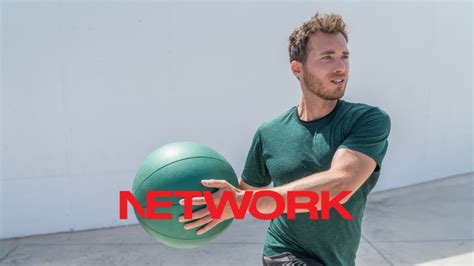
Various throws (overhead, rotational, chest passes) are excellent for developing explosive power, rotational strength, and core stability. They mimic movements found in basketball, football, baseball, and track and field, improving your ability to generate force quickly and efficiently across your body.
Plyometric Drills (Box Jumps, Broad Jumps, Bounds)
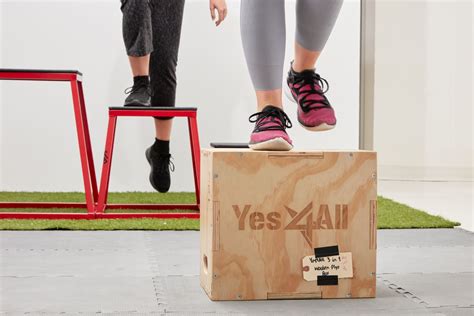
Plyometrics train your muscles to produce maximum force in minimal time, enhancing your power output and reaction capabilities. Box jumps improve vertical leap, broad jumps boost horizontal power, and bounds build speed and unilateral power, all critical for sprinting, jumping, and rapid changes of direction.

Turkish Get-Ups
Often hailed as the ultimate full-body functional exercise, the Turkish Get-Up builds incredible core stability, shoulder mobility, and total-body coordination. It requires controlled strength through multiple planes of motion, making it fantastic for injury prevention and overall athletic awareness.
Unilateral Movements (Lunges, Single-Leg RDLs, Pistol Squats)
Most athletic movements occur on one leg (running, cutting, jumping off one foot). Unilateral exercises address muscle imbalances, improve balance, stability, and strengthen the core. They ensure both sides of your body are equally strong and coordinated.
Farmer’s Carries
A deceptively simple yet highly effective exercise, farmer’s carries build immense grip strength, trapezius development, and full-body core stability. They train your body to resist rotation and lateral flexion, improving overall posture and resilience against external forces, vital in contact sports.
Integrating Functional Training into Your Routine
To maximize benefits, don’t just add these exercises haphazardly. Integrate them purposefully:
- Warm-ups: Use dynamic stretches and bodyweight functional movements to prepare your body.
- Main Workout: Incorporate 2-3 functional exercises into your strength training days.
- Dedicated Sessions: Consider a day focused solely on agility, plyometrics, and mobility.
- Progressive Overload: Like traditional lifting, gradually increase intensity, volume, or complexity.
Beyond the Field: Broader Benefits
The advantages of functional training extend beyond athletic performance:
- Injury Prevention: By strengthening stabilizer muscles and improving movement patterns, you reduce the risk of common sports injuries.
- Improved Posture: Enhanced core strength and body awareness lead to better posture in daily life.
- Enhanced Daily Movement: Everyday tasks become easier as your body becomes more efficient.
- Longevity: Maintaining functional strength and mobility helps sustain an active lifestyle well into old age.
Conclusion
For male athletes aiming for peak performance, functional training is not an option; it’s a necessity. By focusing on how your body moves as a coordinated unit, rather than just how much it can lift, you unlock a higher level of athletic prowess, resilience, and overall well-being. Embrace functional exercises, and watch your performance soar beyond the limits of traditional lifting alone.