Beyond protein: What micronutrients truly boost men’s focus & sustained energy?
The Micronutrient Edge for Men’s Focus and Energy
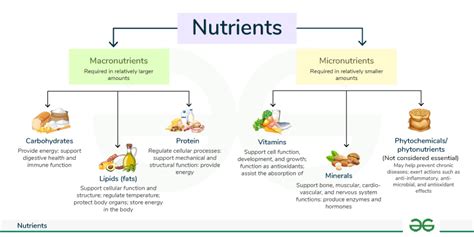
In the pursuit of peak mental performance and enduring physical stamina, protein often takes center stage. While its importance for muscle repair, growth, and satiety is undeniable, a deeper dive into nutrition reveals a cast of smaller, yet equally mighty, heroes: micronutrients. For men aiming to sharpen their focus and maintain sustained energy without relying on endless caffeine or sugar spikes, understanding these vital vitamins and minerals is crucial.
Micronutrients are essential vitamins and minerals that our bodies need in small amounts to function properly, convert food into energy, support cognitive processes, and maintain overall health. A deficiency in even one can create a domino effect, leading to fatigue, poor concentration, and reduced mental clarity. Let’s explore the key micronutrients that significantly impact men’s focus and sustained energy.
B Vitamins: The Energy Powerhouses
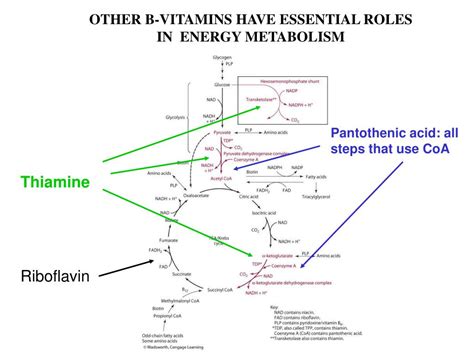
The entire B-vitamin complex (B1, B2, B3, B5, B6, B7, B9, and B12) is fundamentally involved in energy production. These vitamins act as coenzymes in metabolic pathways, helping convert carbohydrates, fats, and proteins into usable energy (ATP). For men, specific B vitamins are particularly noteworthy:
- Vitamin B12 (Cobalamin): Essential for red blood cell formation and neurological function. A deficiency can lead to profound fatigue, weakness, and impaired cognitive function.
- Vitamin B6 (Pyridoxine): Involved in neurotransmitter synthesis, including serotonin, dopamine, and GABA, which are crucial for mood, focus, and sleep regulation.
- Folate (B9): Important for DNA synthesis and repair, and works with B12 in various metabolic processes, including the production of red blood cells and neurotransmitters.
Ensuring adequate intake of B vitamins through whole grains, lean meats, eggs, dairy, and leafy greens is foundational for sustained energy and sharp mental acuity.
Magnesium: The Master Mineral for Mind and Body
Often dubbed the “relaxation mineral,” magnesium is involved in over 300 enzymatic reactions in the body, many of which are critical for energy production and nerve function. For men, its benefits extend to:
- ATP Production: Magnesium is essential for the synthesis of ATP, the body’s primary energy currency.
- Nerve and Muscle Function: It helps regulate nerve signals and muscle contractions, preventing cramps and promoting relaxation.
- Stress Reduction: Magnesium plays a role in regulating the body’s stress response system, potentially reducing anxiety and improving sleep quality, both of which are vital for daily focus and energy.
Rich sources include nuts, seeds, dark leafy greens, legumes, and whole grains.
Zinc: Beyond Immunity for Brain Health
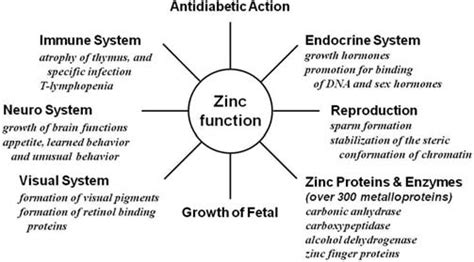
Zinc is a trace mineral crucial for immune function, wound healing, and cell division. However, its role in cognitive function and energy often goes underestimated. For men, zinc contributes to:
- Neurotransmitter Modulation: It influences neurotransmitter function and nerve signaling, impacting mood, learning, and memory.
- Hormone Balance: Zinc plays a role in testosterone production, which can indirectly affect energy levels, mood, and motivation.
- Antioxidant Protection: It acts as an antioxidant, protecting brain cells from oxidative stress.
Oysters are famously high in zinc, but it’s also found in red meat, poultry, beans, and nuts.
Iron: Oxygen Transport and Vitality
Iron is an essential component of hemoglobin, the protein in red blood cells that transports oxygen throughout the body. Adequate oxygen delivery to the brain and muscles is paramount for sustained energy and cognitive function. While iron deficiency (anemia) is less common in men than women, it can still occur, leading to:
- Fatigue and Weakness: Reduced oxygen transport means less energy for cells.
- Poor Concentration: The brain requires a steady supply of oxygen to function optimally.
Men should be cautious with iron supplementation due to the risk of iron overload, but ensuring sufficient intake through lean meats, fortified cereals, and spinach is important. Consult a doctor before supplementing.

Vitamin D: The Sunshine Vitamin for Mental Clarity
Often associated with bone health, Vitamin D also plays a significant role in mood regulation, cognitive function, and energy levels. Receptors for Vitamin D are found throughout the brain, suggesting its crucial role in neurological health. Studies have linked Vitamin D deficiency to:
- Fatigue and Low Mood: Suboptimal levels can contribute to feelings of lethargy and even depression.
- Impaired Cognitive Function: Research suggests a link between low Vitamin D and reduced mental performance.
Sun exposure is the primary source, but fatty fish, fortified dairy, and supplements can help maintain adequate levels, especially during winter months.
Iodine and Selenium: Thyroid Health for Metabolism
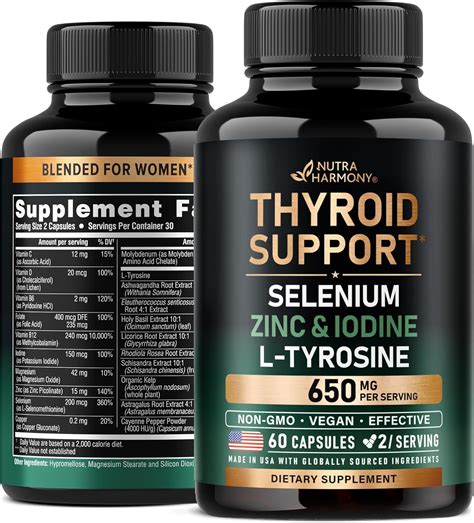
The thyroid gland, regulated by iodine and selenium, is the master controller of metabolism. Thyroid hormones influence nearly every cell in the body, dictating energy expenditure and overall vitality. For men:
- Iodine: Essential for the production of thyroid hormones (T3 and T4). A deficiency can lead to an underactive thyroid (hypothyroidism), characterized by fatigue, weight gain, and mental sluggishness.
- Selenium: Acts as an antioxidant and is crucial for the conversion of thyroid hormones into their active form.
Dietary sources include iodized salt, seafood, dairy, and Brazil nuts (for selenium).
Integrating Micronutrients into Your Routine
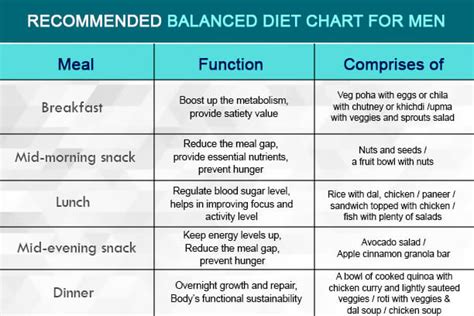
Achieving optimal levels of these micronutrients starts with a diverse, whole-food-rich diet. Prioritize:
- Colorful Fruits and Vegetables: Packed with a wide array of vitamins, minerals, and antioxidants.
- Lean Proteins: Essential for B vitamins, iron, and zinc.
- Whole Grains: Good sources of B vitamins and magnesium.
- Nuts and Seeds: Excellent for magnesium, zinc, and selenium.
- Fatty Fish: Provides Vitamin D (and beneficial omega-3s).
While diet is paramount, soil depletion and individual dietary restrictions can sometimes make it challenging to meet all micronutrient needs. If you suspect a deficiency or are experiencing persistent fatigue and lack of focus, consulting with a healthcare professional is recommended. They can assess your individual needs through blood tests and guide appropriate supplementation, ensuring a personalized approach to boost your focus and sustained energy beyond just protein.