Best macro balance for men to build lean muscle while efficiently losing body fat?

The Dual Challenge: Muscle Gain & Fat Loss
For many men, the ultimate fitness goal is a chiseled physique: more lean muscle, less body fat. While often seen as conflicting goals, simultaneously building muscle and losing fat (a process known as body recomposition) is achievable, especially for beginners, those returning to training, or individuals with higher body fat percentages. The secret lies in a meticulously balanced approach to nutrition, with macronutrients (protein, carbohydrates, and fats) playing the starring roles.
Understanding the optimal distribution of these macros is not just about counting numbers; it’s about fueling your body for performance, recovery, and metabolic efficiency. This article will break down the ideal macro balance for men striving for this challenging yet rewarding transformation.

Protein: Your Muscle-Building Cornerstone
Protein is non-negotiable when aiming for muscle growth and fat loss. It provides the amino acids necessary for muscle repair and synthesis, crucial even in a caloric deficit. Furthermore, protein has a higher thermic effect of food (TEF) compared to carbs and fats, meaning your body burns more calories digesting it, and it promotes satiety, helping to manage hunger.
- Target Intake: Aim for 1.6 to 2.2 grams of protein per kilogram of body weight, or roughly 0.8 to 1 gram per pound of your target lean body mass. For a man weighing 180 lbs, this could mean 144-180 grams of protein daily.
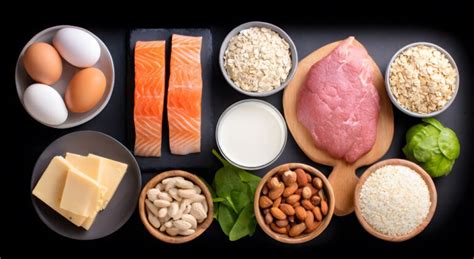
- Sources: Lean meats (chicken breast, turkey, lean beef), fish, eggs, dairy (Greek yogurt, cottage cheese), legumes, and protein supplements (whey, casein, plant-based).
Carbohydrates: Fuel for Performance and Recovery
Despite popular low-carb trends, carbohydrates are vital for men wanting to build muscle. They are the body’s primary energy source, fueling intense workouts, aiding in recovery, and preventing muscle breakdown. The key is to choose the right types and time their intake strategically.
- Target Intake: Carbs will make up the largest portion of your remaining calories after protein and fat are set. For muscle gain and fat loss, a moderate carb intake is generally effective. This could range from 2-4 grams per kilogram of body weight, depending on activity level.
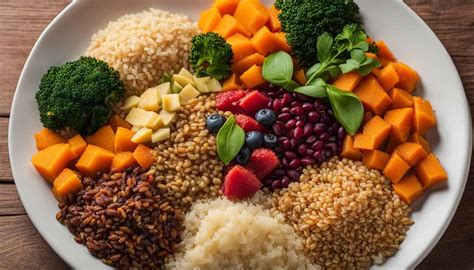
- Sources: Focus on complex carbohydrates like whole grains (oats, brown rice, quinoa), sweet potatoes, fruits, and vegetables. These provide sustained energy and essential fiber. Limit refined sugars and highly processed carbs.
- Timing: Consuming carbs around your workouts (pre and post-exercise) can optimize performance and recovery.
Fats: Essential for Hormones and Health
Dietary fats are crucial for hormone production (including testosterone, vital for muscle growth), nutrient absorption, and overall health. While calorie-dense, healthy fats are essential and should not be severely restricted.
- Target Intake: A moderate fat intake, typically 20-30% of your total daily calories, is recommended. For a 2,500-calorie diet, this would be 55-83 grams of fat (1 gram of fat = 9 calories).
- Sources: Healthy fats include avocados, nuts, seeds, olive oil, fatty fish (salmon, mackerel), and egg yolks. Avoid trans fats and limit excessive saturated fats.

Calculating Your Ideal Macro Balance: The Ratios
Once you’ve determined your total daily caloric needs (usually a slight deficit of 250-500 calories below maintenance for fat loss, while ensuring enough energy for muscle synthesis), you can distribute your macros. A common starting point for men aiming for body recomposition is:
- Protein: 30-40% of total calories
- Fats: 20-30% of total calories
- Carbohydrates: 30-50% of total calories
Let’s use an example for a man targeting 2,500 calories per day:
- Protein (35%): 2,500 * 0.35 = 875 calories / 4 calories/g = ~219 grams
- Fats (25%): 2,500 * 0.25 = 625 calories / 9 calories/g = ~69 grams
- Carbohydrates (40%): 2,500 * 0.40 = 1,000 calories / 4 calories/g = ~250 grams
These ratios are starting points and may need adjustment based on your activity level, individual response, and progress. It’s crucial to monitor your body composition, strength, and energy levels to fine-tune your intake.

Beyond Macros: The Holistic Approach
While macros are central, remember they are part of a larger picture. For successful body recomposition, also consider:
- Strength Training: Progressive overload is essential to signal muscle growth.
- Hydration: Drink plenty of water for overall health and performance.
- Sleep: Aim for 7-9 hours of quality sleep to optimize hormone production and recovery.
- Consistency: Adherence to your plan over weeks and months is more critical than perfection on any single day.
- Adjustments: Your body adapts. Regularly assess your progress and adjust your caloric intake and macro ratios as needed.

Conclusion
Finding the best macro balance for building lean muscle while losing body fat is a personalized journey. Prioritizing high protein intake, strategically incorporating complex carbohydrates, and ensuring sufficient healthy fats within a slight caloric deficit forms the foundation. Combined with consistent strength training, adequate sleep, and hydration, this approach empowers men to effectively transform their physique and achieve their lean muscle and fat loss goals.