





Fuel for peak strength: Optimize nutrition for max gains & recovery?

The Foundational Role of Nutrition in Strength Training
Achieving peak strength and maximizing muscle gains isn’t solely about lifting heavy; it’s equally about what you consume. Nutrition is the bedrock upon which all your hard work in the gym builds. Without adequate and appropriate fuel, your body cannot perform optimally, repair itself effectively, or adapt to the demanding stimuli of strength training. Understanding how to properly fuel your body isn’t just about eating ‘healthy’; it’s about strategic intake tailored to your training goals.
This article delves into the critical nutritional strategies that power performance, foster muscle growth, and accelerate recovery, ensuring every rep counts towards your ultimate strength aspirations.

Mastering Macronutrients: Your Strength Building Blocks
Macronutrients—protein, carbohydrates, and fats—are the primary components of your diet that provide energy and are essential for growth, metabolism, and other bodily functions. Getting the ratios and types right is paramount for strength athletes.
Protein: The Muscle Architect
Protein is non-negotiable for anyone looking to build strength and muscle. It provides the amino acids necessary for muscle repair and synthesis. Intense strength training creates micro-tears in muscle fibers, and protein is what rebuilds them stronger. Aim for 1.6-2.2 grams of protein per kilogram of body weight, distributed evenly throughout the day, including before and after workouts.
- Sources: Lean meats (chicken, beef, fish), eggs, dairy (Greek yogurt, cottage cheese), legumes, tofu, protein powder.
Carbohydrates: The Energy Powerhouse
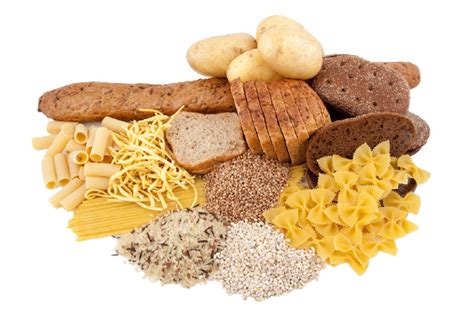
Often misunderstood, carbohydrates are your primary fuel source for high-intensity training. They replenish muscle glycogen stores, which are depleted during strenuous workouts. Insufficient carbohydrate intake can lead to fatigue, decreased performance, and even muscle breakdown for energy. Focus on complex carbohydrates for sustained energy and simple carbohydrates strategically around workouts.
- Complex Carb Sources: Oats, brown rice, quinoa, whole-grain bread, sweet potatoes.
- Simple Carb Sources (post-workout): Fruits, white rice, dextrose.
Healthy Fats: Essential for Hormones and Health
While not a direct energy source for strength training in the same way as carbs, healthy fats play a vital role in hormone production (including testosterone), nutrient absorption, and overall health. They are crucial for joint health, reducing inflammation, and providing a sustained energy source during longer, less intense activities.
- Sources: Avocados, nuts, seeds, olive oil, fatty fish (salmon, mackerel).
Strategic Nutrient Timing for Peak Performance and Recovery
When you eat is almost as important as what you eat, especially around your training window. Proper nutrient timing optimizes energy levels, minimizes muscle damage, and accelerates recovery.
Pre-Workout Fuel: Prime for Performance
Consume a meal rich in complex carbohydrates and moderate protein 2-3 hours before your workout. This provides a steady release of energy and amino acids to support performance and prevent catabolism. If time is short (30-60 minutes before), opt for easily digestible carbs and a small amount of protein.
Intra-Workout Hydration & Energy: Sustain and Protect
For workouts lasting longer than 60 minutes, sipping on water with electrolytes and a small amount of fast-acting carbohydrates can help sustain energy levels and prevent dehydration. This is especially true for highly intense or multi-hour training sessions.
Post-Workout Recovery Window: Replenish and Rebuild
Within 30-60 minutes after training, your muscles are most receptive to nutrients. This is the prime window to replenish glycogen stores and kickstart muscle protein synthesis. Aim for a combination of fast-acting carbohydrates and high-quality protein (e.g., whey protein, a banana, and some toast).

Micronutrients and Hydration: The Often-Overlooked Essentials
While macronutrients take center stage, micronutrients (vitamins and minerals) and adequate hydration are the unsung heroes of peak strength and recovery. They facilitate countless bodily processes, from energy production and muscle contraction to immune function and bone health.
- Vitamins & Minerals: Ensure a diet rich in fruits, vegetables, and whole grains to cover your bases. Key players include B vitamins (energy), Vitamin D (bone health, testosterone), Magnesium (muscle function), and Zinc (immune support, hormone production).
- Hydration: Dehydration significantly impairs performance, even at mild levels. Aim to drink plenty of water throughout the day, and increase intake around workouts. Urine color is a good indicator of hydration status – it should be pale yellow.

Conclusion: Fueling Your Way to Unprecedented Strength
Optimizing your nutrition is not just an add-on; it’s an integral component of your strength training journey. By understanding the roles of macronutrients, strategically timing your meals, and ensuring adequate micronutrient and hydration intake, you equip your body with the best possible tools for growth, performance, and recovery. Experiment with different approaches to find what works best for your body and training demands, and consistently fuel yourself for the gains you deserve.