




Best diet changes for boosting testosterone & cutting body fat simultaneously?

Optimizing Your Diet for Testosterone & Fat Loss
Many men seek the elusive combination of higher testosterone levels and reduced body fat. While often seen as conflicting goals, with a smart and consistent dietary strategy, it’s entirely possible to achieve both simultaneously. The key lies in creating a mild caloric deficit while supplying your body with the essential nutrients needed for hormone production and metabolic health.
Prioritize Lean Protein Intake
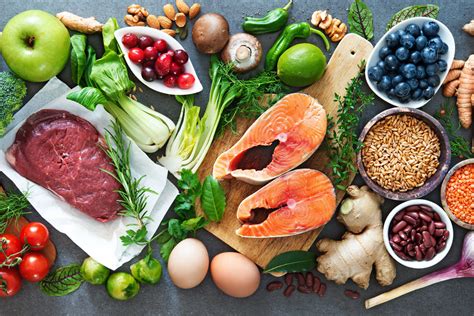
Protein is paramount for both fat loss and testosterone production. A high protein intake helps preserve muscle mass during a calorie deficit, which is crucial for maintaining a healthy metabolism and supporting natural testosterone levels. Furthermore, protein has a high thermic effect, meaning your body burns more calories digesting it. Aim for 1.6 to 2.2 grams of protein per kilogram of body weight daily. Excellent sources include lean meats (chicken breast, turkey, lean beef), fish (salmon, cod, tuna), eggs, dairy products (Greek yogurt, cottage cheese), and plant-based proteins (lentils, beans, tofu).

Embrace Healthy Fats
Contrary to popular belief, dietary fat is not the enemy when it comes to fat loss and, in fact, is crucial for testosterone synthesis. Cholesterol, a type of fat, is a precursor to testosterone. Focus on consuming monounsaturated and polyunsaturated fats, as well as some saturated fat from whole food sources in moderation. Include avocados, nuts (almonds, walnuts), seeds (chia, flax, pumpkin), olive oil, and fatty fish (salmon, mackerel) in your daily diet. These fats not only support hormone production but also increase satiety, helping you stick to your calorie goals.
Strategic Carbohydrate Consumption
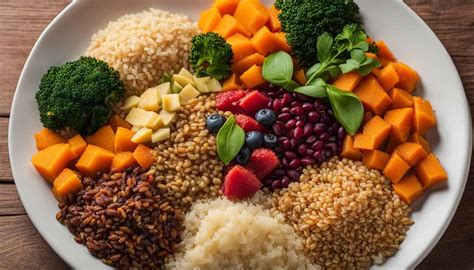
Carbohydrates provide energy for workouts and daily activities. Cutting them too drastically can negatively impact energy levels, workout performance, and potentially lower testosterone. The strategy here is to consume complex carbohydrates, primarily around your workouts. Opt for whole grains (oats, brown rice, quinoa), sweet potatoes, and plenty of fibrous vegetables. Limit refined carbohydrates and sugary foods, as they contribute to insulin spikes and can hinder fat loss and hormone balance.
Focus on Micronutrients
Specific vitamins and minerals play a direct role in testosterone production and overall metabolic function. Ensure your diet is rich in zinc (oysters, red meat, pumpkin seeds), magnesium (leafy greens, nuts, seeds), and Vitamin D (fatty fish, fortified foods, sunlight exposure). Vitamin D deficiency is highly correlated with lower testosterone levels, making supplementation a viable option if dietary intake and sun exposure are insufficient.
Hydration and Fiber
Adequate water intake is vital for every bodily function, including metabolism and nutrient transport. Stay well-hydrated throughout the day. Fiber, found in fruits, vegetables, and whole grains, aids in digestion, helps regulate blood sugar, and promotes satiety, all of which contribute positively to both fat loss and overall health.
Foods to Limit or Avoid
To optimize your results, minimize your intake of ultra-processed foods, foods high in added sugars, trans fats, and excessive alcohol. These items contribute empty calories, can promote inflammation, disrupt hormone balance, and make fat loss significantly more challenging. Focus on whole, unprocessed foods as the cornerstone of your diet.
Conclusion
Boosting testosterone and cutting body fat simultaneously is an achievable goal through a disciplined dietary approach. By prioritizing lean protein, healthy fats, strategic complex carbohydrates, and essential micronutrients, you can create an environment in your body that supports both optimal hormone production and efficient fat metabolism. Consistency, along with a well-structured resistance training program and adequate sleep, will be your greatest allies in this journey. Always consider consulting a healthcare professional or a registered dietitian before making significant dietary changes.