Redefine your fitness: What workout optimizes male strength, energy, and longevity?

For men aiming to build more than just muscle, the quest for an optimal fitness regimen often extends beyond the gym’s mirror. True fitness encompasses not only brute strength but also boundless energy and the promise of a long, vital life. This article delves into a comprehensive approach, exploring how to craft a workout strategy that synergistically enhances male strength, boosts energy levels, and lays the groundwork for enduring longevity.
The Pillars of Male Fitness: Strength, Energy, and Longevity
To truly redefine your fitness, it’s crucial to understand these three interconnected pillars. Strength provides the functional capacity for daily life and athletic pursuits. Energy fuels your physical and mental performance, preventing fatigue and burnout. Longevity is the ultimate goal, ensuring that your body and mind remain robust and capable for decades to come, allowing you to enjoy a high quality of life.
Strength Training: The Foundation of Power and Resilience
At the core of male fitness lies strength training, particularly focusing on compound movements. Exercises like squats, deadlifts, bench presses, overhead presses, and rows engage multiple muscle groups simultaneously, mimicking natural human movements. This not only builds significant muscle mass and strength but also fortifies bones, improves hormonal balance, and boosts metabolism. Consistency and progressive overload—gradually increasing weight, reps, or sets—are key to continuous adaptation and growth.

Proper form is paramount to prevent injuries and maximize effectiveness. Incorporating a mix of free weights, resistance bands, and bodyweight exercises can provide a well-rounded stimulus, ensuring no muscle group is left behind. Aim for 3-4 strength sessions per week, allowing adequate recovery between sessions for muscle repair and growth.
Cardiovascular Health: Fueling Energy and Endurance
While strength is vital, a strong heart and efficient cardiovascular system are indispensable for sustained energy and longevity. Integrating both high-intensity interval training (HIIT) and low-intensity steady-state (LISS) cardio offers a balanced approach. HIIT, with its short bursts of intense effort followed by brief recovery periods, significantly improves aerobic and anaerobic capacity, enhances metabolic rate, and boosts endurance in less time. LISS, such as brisk walking, jogging, or cycling, promotes heart health, aids recovery, and helps manage stress without overtaxing the body.

Aim for 2-3 cardio sessions per week, alternating between HIIT and LISS. This strategy ensures you build both explosive power and sustained stamina, contributing directly to your energy levels throughout the day and reducing the risk of cardiovascular diseases.
Mobility and Flexibility: Preventing Injury, Enhancing Longevity
Often overlooked, mobility and flexibility are critical for long-term athletic performance and injury prevention. Stiffness and limited range of motion can lead to compensatory movements, increasing the risk of strains and chronic pain. Incorporating dynamic stretches before workouts, static stretches post-workouts, and dedicated mobility sessions (like yoga or foam rolling) throughout the week can dramatically improve joint health, posture, and overall functional movement.

Maintaining flexibility ensures that your muscles can work through their full range, enhancing power output and reducing the wear and tear on your joints over decades. Prioritize movements that target common tight areas such as hips, hamstrings, and shoulders.
Nutrition and Recovery: The Unsung Heroes of Vitality
No workout regimen, however perfectly designed, can thrive without adequate nutrition and recovery. What you put into your body directly impacts your strength gains, energy levels, and cellular repair processes crucial for longevity. A diet rich in lean proteins, complex carbohydrates, healthy fats, and a wide array of fruits and vegetables provides the essential building blocks and micronutrients. Hydration is equally critical for performance and metabolic function.

Equally important is sleep. During deep sleep, your body repairs muscle tissue, consolidates memories, and regulates hormones vital for energy and overall health. Aim for 7-9 hours of quality sleep per night. Active recovery days, including light walks or gentle stretching, can also aid in reducing muscle soreness and improving blood flow, accelerating the recovery process.
Crafting Your Optimal Routine: A Synergistic Blueprint
An optimal weekly schedule for men seeking strength, energy, and longevity might look like this: 3 days of full-body or upper/lower split strength training, 2 days of mixed cardio (1 HIIT, 1 LISS), and daily mobility work. Rest days are crucial and can include active recovery. Listen to your body and adjust as needed, prioritizing consistency over intensity initially.
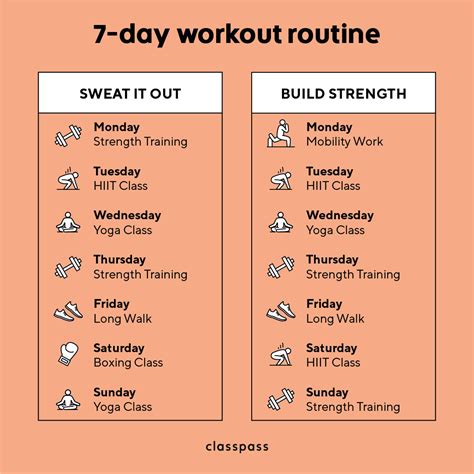
Remember, this is a blueprint, not a rigid rulebook. Adapt it to your lifestyle, preferences, and current fitness level. The goal is to create a sustainable routine that you can adhere to for years, not just weeks.
Beyond the Gym: Lifestyle for Lasting Vitality
Optimizing male fitness extends beyond structured workouts. Stress management techniques like meditation, mindfulness, or hobbies can significantly impact hormonal balance and overall well-being. Regular check-ups with healthcare professionals, maintaining a healthy social life, and continually learning new skills all contribute to a holistic approach to longevity. Consistency, patience, and a willingness to adapt are the cornerstones of a successful, lifelong fitness journey.
Redefining your fitness as a man means embracing a multi-faceted approach that integrates strength, cardiovascular health, mobility, nutrition, and recovery. By focusing on these interconnected elements, you can build a robust foundation that not only delivers impressive strength and sustained energy but also ensures a vibrant, active, and long life. It’s an investment in your future, empowering you to live life to its fullest potential.