How can I naturally boost testosterone for better energy & performance?

Understanding the Role of Testosterone
Testosterone, often hailed as the primary male sex hormone, plays a crucial role far beyond libido. It’s integral to energy levels, mood regulation, muscle mass development, bone density, red blood cell production, and even cognitive function. As men age, testosterone levels naturally decline, but lifestyle factors can significantly impact this decline and even lead to suboptimal levels at any age. The good news is that numerous natural strategies can help optimize your testosterone, leading to noticeable improvements in energy, vitality, and overall performance.

Dietary Strategies for Hormone Optimization
Your diet is a cornerstone of hormone health. Focusing on whole, nutrient-dense foods can provide the building blocks your body needs to produce testosterone efficiently.
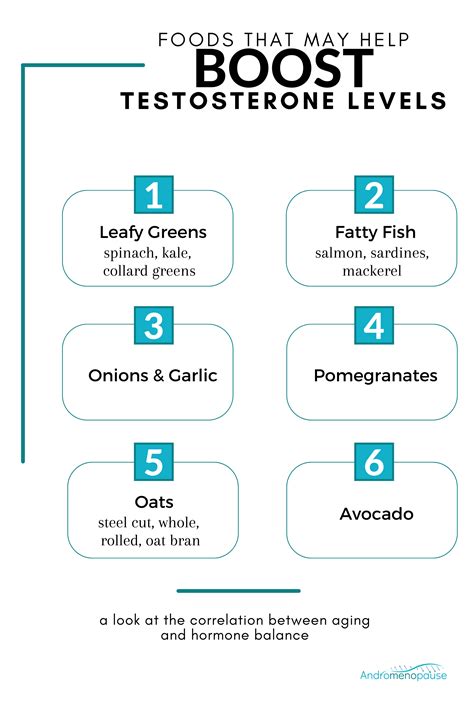
- Healthy Fats: Cholesterol is a precursor to testosterone. Incorporate monounsaturated and saturated fats from sources like avocados, nuts, olive oil, fatty fish, and coconut oil. Avoid trans fats entirely.
- Protein Intake: Adequate protein supports muscle maintenance and growth, which is indirectly linked to healthy testosterone levels. Aim for lean sources like chicken, fish, eggs, and lean red meat.
- Carbohydrate Balance: While low-carb diets are popular, extremely restrictive carb intake can sometimes negatively impact testosterone. Complex carbohydrates from whole grains, fruits, and vegetables provide essential energy and nutrients without spiking blood sugar excessively.
- Micronutrient Powerhouses: Zinc (oysters, beef, pumpkin seeds), Vitamin D (fatty fish, fortified foods, sunlight), and Magnesium (leafy greens, nuts, seeds) are critical for testosterone synthesis.
- Limit Sugar and Processed Foods: High sugar intake can lead to insulin resistance and inflammation, both of which can suppress testosterone production.
Exercise: The Performance Catalyst
Regular physical activity is one of the most potent natural testosterone boosters. However, the type and intensity of exercise matter.
- Strength Training: Lifting heavy weights, especially compound exercises like squats, deadlifts, bench presses, and rows, has been shown to significantly elevate testosterone levels. Aim for 3-4 sessions per week with adequate rest.
- High-Intensity Interval Training (HIIT): Short bursts of intense exercise followed by brief recovery periods can also stimulate testosterone production and improve overall fitness.
- Avoid Chronic Overtraining: While intense exercise is good, constantly pushing your body without sufficient recovery can lead to increased cortisol (stress hormone) and decreased testosterone. Listen to your body and prioritize rest days.

Prioritize Quality Sleep
Sleep deprivation is a silent assassin for testosterone. Most testosterone is produced during sleep, particularly during REM cycles. Chronic lack of sleep can drastically reduce your hormone levels.
- Aim for 7-9 Hours: Consistency is key. Try to go to bed and wake up around the same time each day, even on weekends.
- Optimize Your Sleep Environment: Make your bedroom dark, quiet, and cool. Avoid screens (phones, tablets, computers) for at least an hour before bed.

Manage Stress Effectively
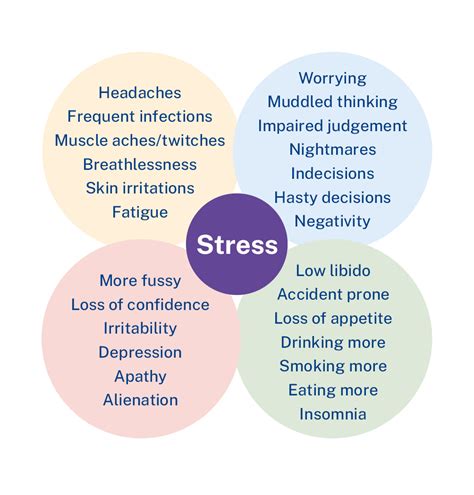
Chronic stress leads to elevated cortisol levels. Cortisol and testosterone have an inverse relationship; when cortisol is high, testosterone tends to be low. Managing stress is crucial for hormonal balance.
- Mindfulness and Meditation: Regular practice can significantly reduce stress and promote relaxation.
- Hobbies and Relaxation: Engage in activities you enjoy, spend time in nature, or practice deep breathing exercises.
- Social Connection: Strong social ties can act as a buffer against stress.
Lifestyle Adjustments for Sustained Results
Beyond the core pillars, several other lifestyle choices can impact your testosterone levels.
- Limit Alcohol Consumption: Excessive alcohol intake can interfere with testosterone production and increase its conversion to estrogen.
- Maintain a Healthy Weight: Obesity, especially abdominal fat, is strongly linked to lower testosterone. Fat cells contain an enzyme called aromatase, which converts testosterone into estrogen.
- Avoid Endocrine Disruptors: Be mindful of exposure to xenoestrogens found in plastics (BPA), pesticides, and certain personal care products. Opt for natural alternatives where possible.
Key Nutrients and Sensible Supplementation
While a balanced diet should be your primary focus, certain supplements can help bridge nutritional gaps, especially if you have a known deficiency.
- Vitamin D: Crucial for many bodily functions, including hormone production. Many people are deficient, especially those with limited sun exposure.
- Zinc: An essential mineral for testosterone synthesis.
- Magnesium: Supports free testosterone levels and overall muscle function.
- Ashwagandha: An adaptogenic herb that has shown promise in reducing stress and supporting testosterone levels in some studies.
Always consult with a healthcare professional before starting any new supplement regimen to ensure it’s appropriate for your individual health needs.
Conclusion
Boosting testosterone naturally is not about a single magic pill but rather a holistic commitment to a healthy lifestyle. By consistently implementing strategies related to diet, exercise, sleep, stress management, and mindful living, you can significantly optimize your testosterone levels. This comprehensive approach won’t just enhance your energy and performance; it will contribute to overall well-being, vitality, and a higher quality of life. Be patient, be consistent, and enjoy the profound benefits of a naturally balanced hormonal system.