




Top strategies for men to boost testosterone naturally & maximize performance?

Unlock Your Potential: The Power of Natural Testosterone
Testosterone, the primary male sex hormone, plays a crucial role in far more than just libido. Optimal testosterone levels contribute to muscle mass, bone density, energy levels, mood stability, cognitive function, and overall vitality. As men age, testosterone naturally declines, but various lifestyle factors can also impact its production at any age. The good news is that many effective strategies exist to naturally boost your testosterone and maximize your performance in all aspects of life.
Instead of relying on synthetic solutions, a holistic approach focusing on diet, exercise, and lifestyle changes can lead to sustainable improvements. This article will delve into the top natural strategies to help men optimize their testosterone levels and reclaim their peak performance.

Dietary Foundations for Testosterone Production
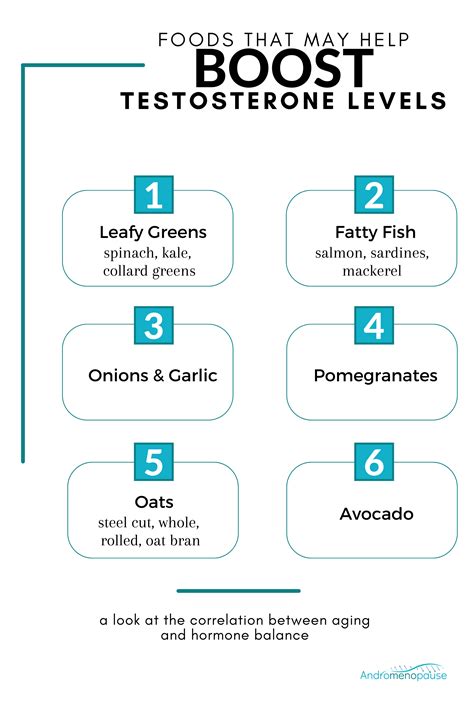
What you eat directly impacts your hormonal balance. To support healthy testosterone levels, your diet should be rich in specific nutrients while limiting processed foods that can disrupt endocrine function.
- Healthy Fats: Crucial for hormone synthesis, healthy fats from sources like avocados, nuts, seeds, olive oil, and fatty fish (salmon, mackerel) should be a cornerstone of your diet. Don’t shy away from saturated fats from quality sources like grass-fed butter or coconut oil in moderation.
- Protein: Adequate protein intake is essential for muscle repair and growth, which in turn supports testosterone. Focus on lean meats, poultry, eggs, fish, and plant-based proteins like legumes and quinoa.
- Micronutrients: Zinc, Vitamin D, and Magnesium are particularly vital. Zinc, found in oysters, red meat, and pumpkin seeds, is critical for testosterone production. Vitamin D, obtained through sun exposure and fortified foods, acts as a steroid hormone precursor. Magnesium, abundant in leafy greens, nuts, and whole grains, plays a role in freeing up testosterone in the blood.
- Limit Sugar & Processed Foods: High sugar intake can lead to insulin resistance and inflammation, both of which can negatively impact testosterone levels. Minimize highly processed foods, unhealthy trans fats, and excessive alcohol consumption.
Exercise Regimens for Hormonal Optimization
Exercise is a potent stimulator of testosterone, but not all workouts are created equal for this purpose. The right type and intensity of physical activity can significantly influence your hormone profile.
- Strength Training: Lifting heavy weights, especially compound movements like squats, deadlifts, bench presses, and overhead presses, has been shown to elicit the greatest testosterone response. Aim for 3-4 sessions per week, focusing on progressive overload.
- High-Intensity Interval Training (HIIT): Short bursts of intense exercise followed by brief recovery periods can also effectively boost testosterone. This could include sprints, cycling, or bodyweight circuits.
- Avoid Chronic Endurance Training: While beneficial for cardiovascular health, excessive long-duration, moderate-intensity cardio can sometimes lead to decreased testosterone levels and increased cortisol (stress hormone). Balance is key.

Prioritize Sleep & Master Stress Management
Two often-overlooked pillars of hormonal health are quality sleep and effective stress reduction. Chronic sleep deprivation and elevated stress can wreak havoc on your testosterone.
- Quality Sleep: Aim for 7-9 hours of uninterrupted sleep per night. Testosterone production peaks during deep sleep cycles. Establish a consistent sleep schedule, create a dark, cool, and quiet bedroom environment, and avoid screens before bedtime.
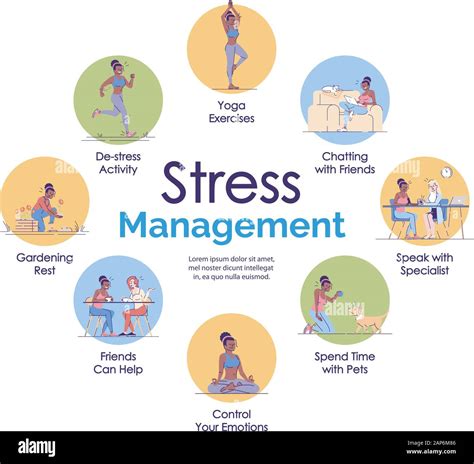
- Stress Reduction: Chronic stress leads to elevated cortisol levels, which directly suppress testosterone production. Incorporate stress-reducing activities into your daily routine, such as meditation, yoga, deep breathing exercises, spending time in nature, or engaging in hobbies you enjoy.
Lifestyle Adjustments for Sustained Results
Beyond diet and exercise, several other lifestyle factors contribute to a healthy hormonal environment.
- Maintain a Healthy Weight: Excess body fat, particularly around the abdomen, can convert testosterone into estrogen, leading to lower T levels. Achieving and maintaining a healthy body fat percentage is crucial.
- Limit Alcohol & Avoid Drugs: Excessive alcohol consumption and recreational drug use can negatively impact testicular function and overall hormone production.
- Avoid Endocrine Disruptors: Be mindful of exposure to chemicals like BPA (found in some plastics) and phthalates, which can interfere with hormone signaling. Opt for glass or stainless steel containers and choose natural personal care products when possible.

Conclusion: A Holistic Path to Peak Performance
Boosting testosterone naturally and maximizing your performance is not about quick fixes but about cultivating a holistic and consistent approach to health. By strategically optimizing your diet with nutrient-dense foods, engaging in effective strength training and HIIT, prioritizing sufficient sleep, and actively managing stress, you can create an environment where your body thrives.
Embrace these strategies with patience and consistency, and you’ll likely notice significant improvements in your energy, mood, physique, and overall well-being. If you have underlying health concerns or persistent symptoms, always consult with a healthcare professional.