




How can men naturally boost low testosterone for peak energy & libido?

Low testosterone, often referred to as ‘Low T,’ can significantly impact a man’s quality of life, leading to symptoms such as chronic fatigue, reduced libido, decreased muscle mass, and even mood disturbances. While medical interventions are available, many men seek natural pathways to optimize their hormone levels. Fortunately, adopting certain lifestyle changes and nutritional strategies can effectively support your body’s natural testosterone production, helping you reclaim peak energy and robust libido.
Understanding Low Testosterone and Its Impact
Testosterone is the primary male sex hormone, playing a crucial role in developing male reproductive tissues as well as promoting secondary sexual characteristics like increased muscle and bone mass, and the growth of body hair. Beyond these, it’s vital for energy levels, mood regulation, cognitive function, and maintaining a healthy sex drive. When testosterone levels dip below the optimal range, men can experience a range of debilitating symptoms, including persistent fatigue, unexplained weight gain (especially around the abdomen), reduced sexual desire, erectile dysfunction, difficulty concentrating, and even symptoms of depression.

The Cornerstone: Diet and Nutrition
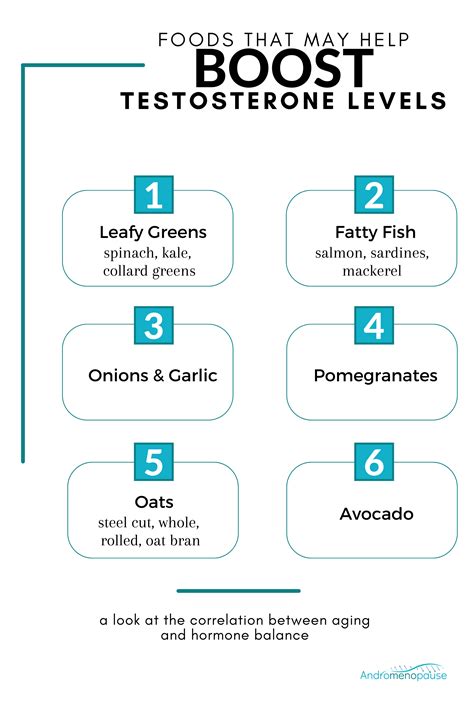
What you eat plays a profound role in your hormonal health. A diet rich in whole, unprocessed foods can provide the essential nutrients needed for testosterone synthesis. Prioritize healthy fats, such as monounsaturated and polyunsaturated fats found in avocados, nuts, seeds, and olive oil. Cholesterol, a precursor to testosterone, shouldn’t be entirely avoided; moderate intake from sources like eggs and lean meats is beneficial. Zinc and Vitamin D are particularly crucial. Zinc, found in oysters, red meat, poultry, and beans, is essential for testosterone production, while Vitamin D, often called the ‘sunshine vitamin,’ functions as a steroid hormone in the body and is directly linked to testosterone levels. Aim for a balanced intake of protein, complex carbohydrates, and micronutrients.
Power Up: Exercise and Physical Activity
Regular exercise, especially strength training and high-intensity interval training (HIIT), has been shown to significantly boost testosterone. Lifting weights stimulates the production of growth hormone and testosterone. Focus on compound exercises like squats, deadlifts, bench presses, and rows that engage multiple muscle groups. HIIT, which involves short bursts of intense exercise followed by brief recovery periods, can also be highly effective. Consistency is key, but avoid overtraining, as excessive, prolonged endurance exercise without adequate recovery can sometimes have the opposite effect.

The Restorative Power of Sleep
Sleep deprivation is a silent culprit behind many health issues, including low testosterone. Most testosterone is produced during deep sleep phases. Studies indicate that getting less than 7-8 hours of quality sleep per night can significantly reduce testosterone levels. Establish a consistent sleep schedule, create a dark, cool, and quiet sleep environment, and limit screen time before bed to optimize your body’s natural hormone production cycles.
Master Your Mind: Stress Management
Chronic stress leads to elevated cortisol levels. Cortisol, often called the ‘stress hormone,’ can suppress testosterone production. When your body is constantly in a state of ‘fight or flight,’ it prioritizes survival mechanisms, diverting resources away from hormone synthesis. Incorporate stress-reducing practices into your daily routine, such as meditation, yoga, deep breathing exercises, spending time in nature, or engaging in hobbies you enjoy. Effectively managing stress is crucial for maintaining hormonal balance.

Strategic Supplementation (with caution)
While a whole-food diet should be your primary focus, certain supplements can provide additional support, especially if your dietary intake is insufficient or you have specific deficiencies. As mentioned, Vitamin D and Zinc are vital. Magnesium, found in leafy greens, nuts, and seeds, also plays a role in testosterone regulation. Herbal supplements like Ashwagandha and Fenugreek have shown promise in some studies for boosting testosterone levels and improving libido. However, always consult with a healthcare professional before starting any new supplement regimen to ensure it’s safe and appropriate for your individual health needs.
Lifestyle Habits for Hormonal Health
Beyond diet, exercise, sleep, and stress, other lifestyle factors can influence testosterone. Limiting alcohol intake is important, as excessive alcohol consumption can negatively impact testosterone production. Avoiding exposure to endocrine-disrupting chemicals found in plastics (BPA), certain pesticides, and personal care products can also protect your hormonal health. Maintaining a healthy body weight is critical, as excess body fat, particularly around the abdomen, can convert testosterone into estrogen, further exacerbating low T symptoms.

Sustainable Results and Patience
Boosting testosterone naturally is not an overnight fix. It requires a consistent, holistic approach and patience. The changes you implement in your diet, exercise routine, sleep habits, and stress management will gradually contribute to improved hormonal health. Monitor your progress through how you feel, your energy levels, and your overall well-being. For accurate assessment, regular blood tests to check your testosterone levels, under the guidance of a healthcare provider, can help confirm the effectiveness of your natural strategies.

Conclusion
Reclaiming peak energy and libido through natural testosterone boosting is an achievable goal for many men. By integrating a nutrient-rich diet, consistent strength training, sufficient quality sleep, effective stress management, and a mindful approach to supplementation and lifestyle choices, you can empower your body to optimize its natural hormone production. This holistic path not only addresses low testosterone but also contributes to overall improved health, vitality, and a better quality of life.