




What actionable steps optimize male testosterone for peak performance?

For men, testosterone is more than just a sex hormone; it’s a critical driver of energy, mood, muscle mass, bone density, and overall vitality. Optimal testosterone levels are fundamental for achieving peak physical and mental performance. In an increasingly demanding world, many men seek natural, actionable steps to ensure their hormonal health supports their aspirations.
The Cornerstone of Male Vitality: Why Testosterone Matters
Testosterone influences almost every aspect of male health. From fueling lean muscle growth and maintaining healthy body fat distribution to enhancing cognitive function and sustaining a robust libido, its impact is far-reaching. Suboptimal levels can lead to fatigue, reduced strength, mood disturbances, and diminished drive. The good news is that numerous lifestyle interventions can significantly impact your testosterone production.

Dietary Powerhouses: Fueling Testosterone Naturally
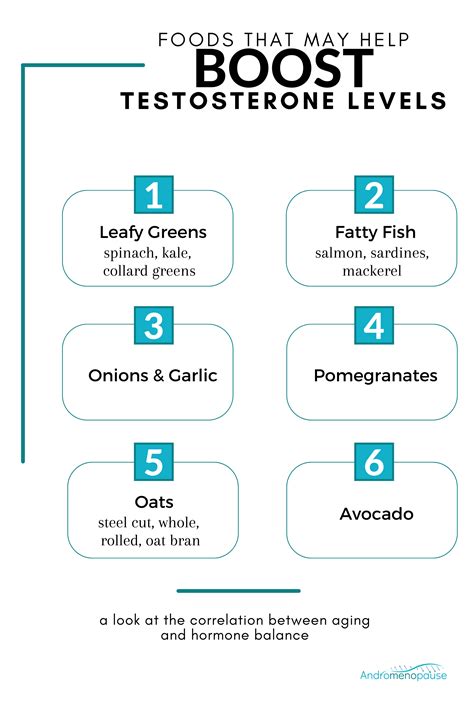
What you eat directly impacts your hormonal balance. A diet rich in whole foods, healthy fats, and adequate protein is crucial.
- Healthy Fats: Don’t shy away from monounsaturated and saturated fats found in avocados, olive oil, nuts, seeds, and red meat. Cholesterol, a precursor to testosterone, is derived from these fats.
- Protein Intake: Sufficient protein is essential for muscle synthesis and overall hormonal health. Aim for high-quality sources like lean meats, poultry, fish, eggs, and legumes.
- Micronutrient Focus: Ensure adequate intake of zinc (oysters, beef, pumpkin seeds) and Vitamin D (fatty fish, fortified foods, sunlight exposure), as both are directly linked to testosterone production. Magnesium, found in leafy greens and nuts, also plays a role.
- Limit Processed Foods: High sugar intake and highly processed foods can lead to inflammation and insulin resistance, negatively impacting hormone levels.
Exercise Smart: Strength, Intensity, and Recovery
Physical activity is a powerful testosterone booster, but the type and intensity matter.
- Resistance Training: Lifting weights, especially compound movements like squats, deadlifts, bench presses, and overhead presses, has been shown to significantly increase testosterone. Focus on progressive overload.
- High-Intensity Interval Training (HIIT): Short bursts of intense exercise followed by brief recovery periods can also stimulate testosterone production.
- Avoid Overtraining: Chronic, exhaustive endurance training without adequate recovery can elevate cortisol (a stress hormone) and suppress testosterone. Balance is key.

The Unsung Hero: Prioritizing Quality Sleep
Sleep is arguably the most critical, yet often overlooked, factor in hormone regulation. Most of your daily testosterone production occurs during deep sleep.
- Aim for 7-9 Hours: Consistent, high-quality sleep is non-negotiable. Even a few nights of restricted sleep can significantly lower testosterone levels.
- Optimize Your Sleep Environment: Ensure your bedroom is dark, quiet, and cool. Avoid screens before bed, and establish a consistent sleep schedule.
Mastering Stress: The Cortisol-Testosterone Connection
Chronic stress elevates cortisol, the body’s primary stress hormone. High cortisol levels have a direct inverse relationship with testosterone, often suppressing its production.
- Mindfulness and Meditation: Practices like meditation, deep breathing, and yoga can significantly reduce stress levels.
- Hobbies and Relaxation: Engage in activities you enjoy to unwind and de-stress.
- Time Management: Effective planning can reduce feelings of overwhelm.

Lifestyle Choices for Hormonal Harmony
- Limit Alcohol Consumption: Excessive alcohol intake can disrupt hormonal balance and damage the testes, impairing testosterone production.
- Manage Environmental Toxins: Exposure to xenoestrogens (found in plastics, pesticides) can mimic estrogen in the body and interfere with testosterone. Choose organic foods and avoid plastic containers where possible.
- Maintain a Healthy Weight: Obesity, particularly abdominal fat, is associated with lower testosterone levels as fat cells contain an enzyme (aromatase) that converts testosterone to estrogen.

Considering Supplements (Use with Caution)
While a holistic approach is paramount, certain supplements, when deficient, can support testosterone levels. Always consult a healthcare professional before starting any supplement regimen.
- Vitamin D: If deficient, supplementation can significantly boost testosterone.
- Zinc: Essential for testosterone synthesis. Supplement if dietary intake is insufficient.
- Magnesium: Plays a role in many enzymatic reactions, including those involved in testosterone production.
- Ashwagandha: An adaptogenic herb that may help reduce stress (cortisol) and improve testosterone levels in some individuals.

Conclusion: A Holistic Path to Peak Performance
Optimizing male testosterone for peak performance isn’t about quick fixes but rather a consistent commitment to a healthy, balanced lifestyle. By strategically addressing diet, exercise, sleep, stress, and overall lifestyle choices, men can significantly enhance their natural testosterone production. Remember, individual needs vary, and consulting with a healthcare professional can provide personalized guidance to ensure you’re on the best path to hormonal vitality and peak performance.