




How to eliminate razor burn for a flawless, performance-ready shave?
Achieving a Flawless Shave: Banish Razor Burn for Good
Razor burn is an unwelcome irritant that can mar an otherwise perfect shave, leaving skin red, bumpy, and uncomfortable. Whether you’re a professional needing a pristine look or simply aiming for everyday comfort, eliminating razor burn is crucial for healthy, smooth skin. This guide will walk you through the essential steps, from preparation to post-shave care, to ensure you achieve a flawless, performance-ready shave every time.

The Foundation: Proper Pre-Shave Preparation
The secret to preventing razor burn often begins even before the blade touches your skin. Proper preparation softens the hair, opens pores, and creates a smooth canvas, minimizing friction and irritation.
Exfoliate Gently
Start with a mild exfoliant to remove dead skin cells and free any trapped hairs. This helps prevent ingrown hairs, a common precursor to razor burn. Do this a few times a week, but not immediately before every shave if your skin is sensitive.
Hydrate and Soften
A warm shower or a hot towel applied to your face for a few minutes can work wonders. The warmth and steam soften the beard hair, making it easier to cut, and open the pores. Follow this with a high-quality pre-shave oil. This oil creates a protective barrier between your skin and the razor, further reducing drag and irritation.
Mastering the Shaving Technique
Once your skin is prepped, your technique becomes paramount. Hasty or incorrect shaving is a primary culprit for razor burn.
Use a Sharp Blade
This cannot be stressed enough. A dull blade pulls at hairs rather than cutting them cleanly, leading to irritation. Change your razor blade or cartridge every 5-7 shaves, or sooner if you feel any tugging. For safety razors, replace the blade after 1-3 uses.
Apply Quality Shave Cream or Gel
A rich, lubricating shave cream or gel provides a crucial cushion. Apply it generously and let it sit for a minute or two to further soften the hair. Avoid aerosol foams with harsh chemicals that can dry out your skin.
Shave with the Grain
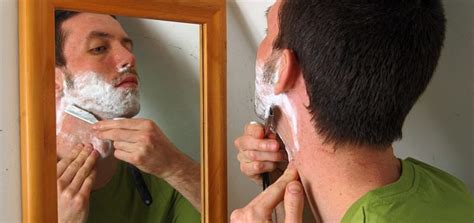
For most people, shaving with the grain (in the direction your hair grows) on the first pass is the best way to prevent irritation. While shaving against the grain might give a closer shave, it significantly increases the risk of razor burn and ingrown hairs, especially for sensitive skin. If you need a closer shave, re-lather and go across the grain, or lightly against it, only on subsequent passes once the hair is significantly reduced.

Light Pressure and Short Strokes
Let the razor do the work. Pressing too hard is a common mistake that leads to nicks, cuts, and severe irritation. Use short, controlled strokes, rinsing your razor frequently under warm water to clear away hair and cream buildup.
The Essential Post-Shave Routine
What you do immediately after shaving is just as important as your preparation and technique.
Rinse with Cold Water
Once you’ve finished shaving, rinse your face thoroughly with cool or cold water. This helps close your pores, soothe the skin, and remove any lingering shave cream residue.

Apply a Soothing Aftershave Balm
Forget alcohol-based aftershaves that sting and dry out your skin. Instead, opt for an alcohol-free, moisturizing aftershave balm or lotion. Look for ingredients like aloe vera, witch hazel, chamomile, or shea butter, which calm, hydrate, and protect the skin. This step is critical for reducing redness and inflammation.
Moisturize Regularly
Even on non-shaving days, keep your skin hydrated with a good moisturizer. Well-moisturized skin is healthier, more resilient, and less prone to irritation.

Choosing the Right Tools and Products
Your equipment plays a significant role in your shaving experience.
Razor Type
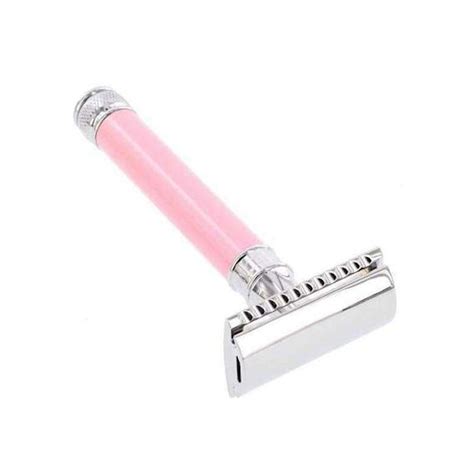
Experiment with different razor types. While multi-blade cartridges are convenient, they can sometimes cause more irritation due to multiple blades passing over the same spot. A single-blade safety razor or even a straight razor (if you master the technique) often provides a closer, less irritating shave once you get the hang of it. Electric razors can also be an option for very sensitive skin, though they may not provide as close a shave.
Product Ingredients
Pay attention to the ingredients in your shaving cream, pre-shave oil, and aftershave. Avoid products with synthetic fragrances, parabens, sulfates, and alcohol, as these can irritate sensitive skin. Opt for natural, nourishing ingredients.

Consistency and Patience
Eliminating razor burn isn’t always an overnight fix. Be consistent with your routine, allow your skin time to adapt, and if you have particularly severe razor burn or ingrown hairs, give your skin a break from shaving until it has fully healed. Over time, with the right approach, you can achieve that flawless, performance-ready shave you desire, making razor burn a thing of the past.