




What daily habits boost natural testosterone for improved male vitality & performance?

Testosterone, often hailed as the cornerstone of male health, plays a critical role far beyond sex drive. It influences muscle mass, bone density, mood, energy levels, and even cognitive function. While natural testosterone production can decline with age, certain daily habits can significantly support and boost your body’s ability to produce this vital hormone, leading to improved vitality and overall performance.
The Power of Movement: Exercise Smarter, Not Just Harder
Regular physical activity is one of the most effective ways to naturally increase testosterone. However, not all exercises are created equal for this purpose. Focus on these key types:
- Strength Training: Lifting heavy weights, especially compound exercises like squats, deadlifts, bench presses, and rows, stimulates a powerful hormonal response. Aim for 3-4 sessions per week, focusing on progressive overload.
- High-Intensity Interval Training (HIIT): Short bursts of intense exercise followed by brief recovery periods have been shown to boost testosterone and growth hormone. Incorporate HIIT into your routine 1-2 times a week.
- Avoid Overtraining: While exercise is good, excessive endurance training without adequate recovery can actually decrease testosterone. Listen to your body and prioritize rest.

Fuel Your Body Right: Nutrition for Hormonal Balance
What you eat directly impacts your hormone production. A balanced diet is crucial for maintaining optimal testosterone levels.
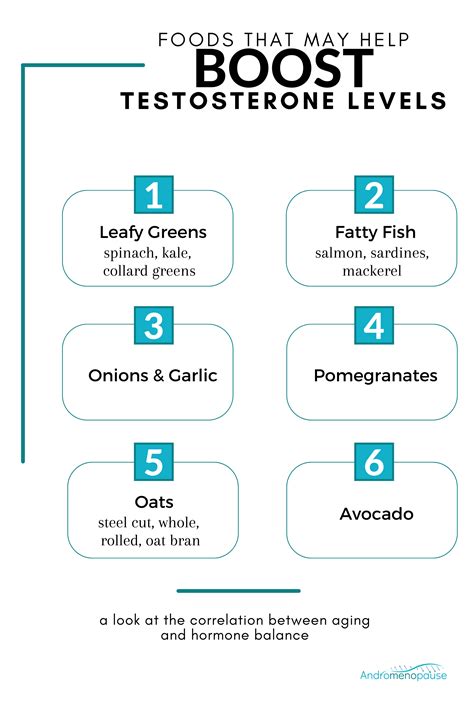
- Healthy Fats: Cholesterol is a precursor to testosterone, so consuming healthy fats is essential. Include sources like avocados, nuts, seeds, olive oil, and fatty fish (salmon, mackerel).
- Adequate Protein: Protein is vital for muscle repair and growth, which indirectly supports testosterone. Lean meats, eggs, dairy, and legumes are excellent choices.
- Micronutrients: Zinc and Vitamin D are particularly important. Zinc can be found in oysters, red meat, poultry, and beans. Vitamin D is synthesized from sunlight and found in fatty fish, fortified foods, or supplements. Magnesium and Vitamin K2 also play supporting roles.
- Limit Sugar and Processed Foods: High sugar intake can lead to insulin resistance and inflammation, both of which negatively impact testosterone.

Master Your Sleep: The Ultimate Recovery Tool
Sleep is when your body repairs, recovers, and produces vital hormones, including testosterone. Chronic sleep deprivation is a major contributor to low testosterone.
- Aim for 7-9 Hours: Most testosterone production occurs during deep sleep stages. Consistent sleep of 7-9 hours per night is crucial.
- Improve Sleep Quality: Create a consistent sleep schedule, make your bedroom dark and cool, avoid screens before bed, and limit caffeine and alcohol in the evening.

Combat Stress: Keep Cortisol in Check
Chronic stress elevates cortisol, the body’s primary stress hormone. High cortisol levels can suppress testosterone production, creating an unfavorable hormonal environment.
- Mindfulness and Meditation: Incorporate daily practices like meditation, deep breathing exercises, or yoga to reduce stress.
- Hobbies and Relaxation: Engage in activities you enjoy, spend time in nature, or practice progressive muscle relaxation to manage stress effectively.
Lifestyle Choices: What Else Matters?
- Maintain a Healthy Weight: Excess body fat, particularly around the abdomen, can lead to increased estrogen conversion and lower testosterone. Losing weight, if overweight or obese, can significantly boost testosterone.
- Limit Alcohol Consumption: Excessive alcohol intake can interfere with testosterone production and metabolism in the liver.
- Avoid Endocrine Disruptors: Be mindful of plastics (BPA, phthalates) and certain chemicals in personal care products and pesticides, which can mimic hormones and disrupt endocrine function.
- Get Sunlight Exposure: Regular, safe exposure to sunlight helps your body produce Vitamin D, a key nutrient linked to testosterone levels.

Conclusion
Boosting natural testosterone for improved male vitality and performance isn’t about quick fixes; it’s about cultivating a sustainable lifestyle. By consistently incorporating smart exercise, nutrient-dense foods, quality sleep, effective stress management, and healthy lifestyle choices into your daily routine, you can empower your body to optimize its hormonal balance. This holistic approach will not only support healthy testosterone levels but also enhance your overall well-being, energy, and drive.