




Nutrition for optimal male hormones: What foods naturally boost T levels?

Understanding Testosterone and Its Importance
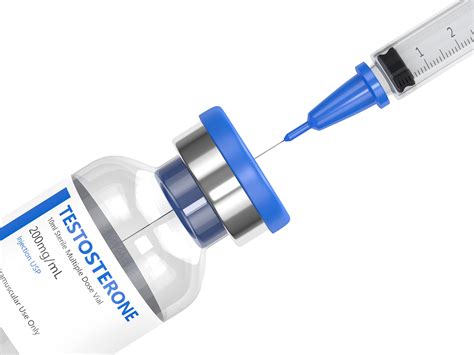
Testosterone, often referred to as the primary male sex hormone, plays a critical role far beyond libido and muscle mass. It influences mood, energy levels, bone density, red blood cell production, and overall well-being. As men age, testosterone levels naturally decline, but lifestyle factors, particularly diet, can significantly impact these levels at any stage. Optimizing your nutrition is a powerful, natural way to support healthy testosterone production and overall hormonal balance.
Key Nutrients and Foods for Testosterone Support
A balanced diet rich in specific micronutrients and macronutrients is foundational for robust hormonal health. Here are the key players:
1. Zinc-Rich Foods
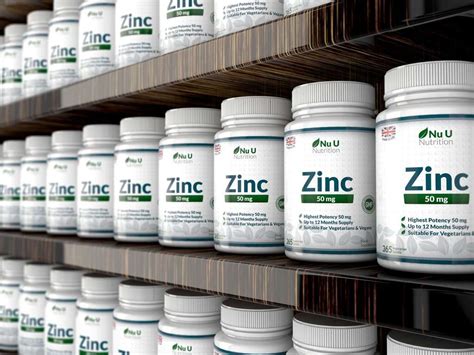
Zinc is an essential mineral crucial for testosterone production. Studies have shown that even a marginal zinc deficiency can lead to a significant drop in testosterone levels. Incorporating zinc-rich foods into your diet is a straightforward way to ensure adequate intake.
- Oysters: Widely recognized as a top source of zinc.
- Red Meat: Beef and lamb provide excellent amounts of zinc.
- Pumpkin Seeds: A great plant-based source.
- Legumes: Lentils and chickpeas also contribute.
2. Vitamin D (The Sunshine Vitamin)
Often acting more like a hormone than a vitamin, Vitamin D is directly linked to testosterone levels. Research indicates that men with sufficient vitamin D levels tend to have higher testosterone. While sun exposure is the primary source, dietary intake is also important, especially during winter months or for those with limited sun exposure.
- Fatty Fish: Salmon, mackerel, and tuna are excellent sources.
- Fortified Foods: Milk, orange juice, and cereals often contain added Vitamin D.
- Egg Yolks: A small but significant source.
3. Healthy Fats
Dietary fats are critical for hormone production, including testosterone. A diet too low in healthy fats can impair hormonal function. Focus on monounsaturated and polyunsaturated fats, and don’t shy away from saturated fats from whole food sources in moderation.
- Avocados: Rich in monounsaturated fats.
- Nuts and Seeds: Almonds, walnuts, chia seeds, and flaxseeds provide healthy fats and other beneficial nutrients.
- Olive Oil: A staple of the Mediterranean diet, known for its healthy fats.
- Fatty Fish: (Again!) Oily fish are rich in Omega-3 fatty acids, which are anti-inflammatory and support overall health.
4. Magnesium
Magnesium is another vital mineral that plays a role in hundreds of bodily functions, including testosterone production. It helps increase free (bioavailable) testosterone by reducing its binding to sex hormone-binding globulin (SHBG).
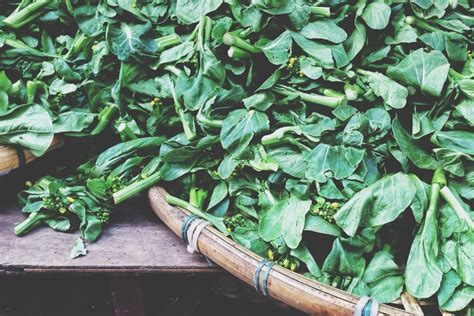
- Leafy Green Vegetables: Spinach and kale are powerhouses.
- Nuts and Seeds: Almonds, cashews, and chia seeds.
- Dark Chocolate: A delicious source in moderation.
5. Boron
This trace mineral, while less commonly discussed, has been shown in some studies to significantly increase free testosterone and reduce estrogen levels in men.
- Avocados: A good source of boron.
- Raisins: Dried fruits often contain boron.
- Nuts: Various nuts can contribute to boron intake.
6. Cruciferous Vegetables
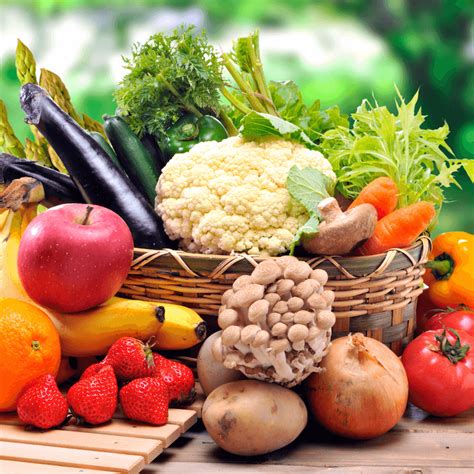
While not directly boosting testosterone, vegetables like broccoli, cauliflower, Brussels sprouts, and cabbage contain compounds (like indole-3-carbinol) that help the body metabolize estrogen more efficiently. By reducing excess estrogen, they can indirectly help maintain a healthy testosterone-to-estrogen ratio.
Foods to Limit or Avoid
Just as some foods support testosterone, others can hinder it:
- Processed Foods and Sugary Drinks: Often high in unhealthy fats, sugar, and sodium, these can contribute to obesity and insulin resistance, both of which negatively impact testosterone.
- Excessive Alcohol: Chronic and heavy alcohol consumption has been shown to impair Leydig cell function in the testes, leading to reduced testosterone production.
- Trans Fats: Found in many fried and processed foods, trans fats are detrimental to overall health and can negatively affect hormone levels.

Holistic Approach to Hormonal Health
While nutrition is a cornerstone, remember that it’s part of a larger picture. Adequate sleep (7-9 hours), regular strength training and high-intensity interval training, and effective stress management are equally crucial for optimizing male hormone levels. Combine these lifestyle factors with a nutrient-dense diet for the best results.
Conclusion
Optimizing male hormones, particularly testosterone, is achievable through a strategic and mindful approach to nutrition. By prioritizing foods rich in zinc, vitamin D, healthy fats, magnesium, and boron, and limiting processed foods and excessive alcohol, men can naturally support their body’s ability to produce and maintain healthy testosterone levels, leading to improved energy, mood, and overall vitality. Always consult with a healthcare professional before making significant dietary changes, especially if you have underlying health conditions.