




How can I naturally boost testosterone for peak male performance & energy?

Understanding Testosterone’s Role in Male Health
Testosterone is the primary male sex hormone, playing a crucial role in far more than just libido and muscle mass. It influences energy levels, mood, bone density, red blood cell production, and overall vitality. As men age, testosterone levels naturally decline, but various lifestyle factors can also contribute to suboptimal levels, leading to symptoms like fatigue, decreased sex drive, difficulty building muscle, increased body fat, and mood disturbances. The good news is that many natural approaches can significantly support healthy testosterone production.
Fuel Your Body with Testosterone-Friendly Nutrition
What you eat directly impacts your hormonal balance. A diet rich in whole, unprocessed foods can be a powerful tool for boosting testosterone naturally.
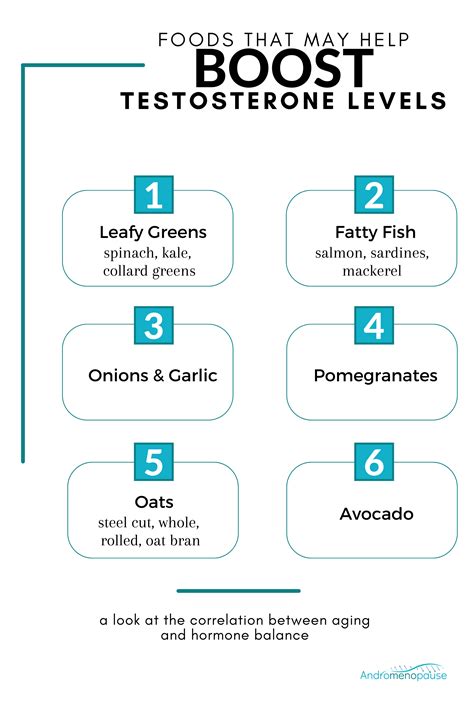
- Healthy Fats: Don’t shy away from healthy fats! Monounsaturated and polyunsaturated fats, found in avocados, nuts, seeds, olive oil, and fatty fish, are vital for hormone production. Cholesterol, a precursor to testosterone, is derived from these fats.
- Zinc-Rich Foods: Zinc is a critical mineral for testosterone synthesis. Incorporate foods like oysters, red meat, poultry, beans, nuts, and dairy products into your diet.
- Vitamin D: Often called the ‘sunshine vitamin,’ Vitamin D acts like a steroid hormone in the body and is strongly linked to testosterone levels. Get adequate sun exposure or consume fatty fish (salmon, mackerel), fortified dairy, and egg yolks.
- Limit Processed Foods, Sugar, and Excessive Alcohol: These can lead to inflammation, insulin resistance, and increased estrogen levels, all of which are detrimental to testosterone.

Embrace Strategic Exercise for Hormonal Health
Exercise, particularly certain types, is a potent testosterone booster. However, finding the right balance is key, as overtraining can have the opposite effect.
- Strength Training: Lifting weights, especially compound movements like squats, deadlifts, bench presses, and rows, has been shown to significantly increase testosterone levels. Aim for 3-4 sessions per week with adequate recovery.
- High-Intensity Interval Training (HIIT): Short bursts of intense exercise followed by brief recovery periods can also provide a strong hormonal boost.
- Avoid Chronic Cardio: While beneficial for cardiovascular health, excessive long-duration endurance training can sometimes suppress testosterone. Balance it with strength and HIIT.

Prioritize Quality Sleep
Sleep is when your body repairs, recovers, and produces hormones. Chronic sleep deprivation is a major disruptor of testosterone production.
Aim for 7-9 hours of high-quality sleep per night. Establish a consistent sleep schedule, create a dark and cool sleep environment, and avoid screens before bed to optimize your body’s natural testosterone rhythms.
Master Stress Management
In today’s fast-paced world, chronic stress is a common culprit for hormonal imbalance. When stressed, your body releases cortisol, a hormone that directly competes with testosterone. Elevated cortisol levels can suppress testosterone production.
Integrate stress-reducing activities into your daily routine: meditation, yoga, deep breathing exercises, spending time in nature, or engaging in hobbies you enjoy. Managing stress isn’t just about mental well-being; it’s vital for your physical, hormonal health too.

Optimize Lifestyle Choices
Beyond diet, exercise, sleep, and stress, other lifestyle factors play a role in maintaining healthy testosterone levels:
- Maintain a Healthy Weight: Excess body fat, particularly around the midsection, can increase the conversion of testosterone to estrogen. Losing weight can significantly improve testosterone levels.
- Limit Endocrine Disruptors: Be mindful of chemicals in plastics (BPA, phthalates), pesticides, and personal care products that can mimic estrogen and disrupt hormone balance.
- Get Adequate Sun Exposure: As mentioned, Vitamin D is crucial. Regular, safe sun exposure is one of the best ways to get it.

Consider Targeted Natural Supplements (with caution)
While whole foods and lifestyle changes are paramount, certain natural supplements can offer additional support, but always consult with a healthcare professional before starting any new regimen.
- Vitamin D & Zinc: If you have deficiencies, supplementing these can be highly beneficial.
- Magnesium: Important for overall health and plays a role in testosterone regulation.
- Ashwagandha: An adaptogenic herb that may help reduce cortisol and improve testosterone.
- Fenugreek: Some studies suggest it may help increase free and total testosterone levels.

Conclusion
Boosting testosterone naturally for peak male performance and energy is an achievable goal that requires a holistic approach. By consistently implementing strategies for optimal nutrition, strategic exercise, quality sleep, and effective stress management, you can significantly support your body’s natural ability to produce this vital hormone. Remember, consistency is key, and listening to your body’s signals will guide you toward lasting vitality and enhanced well-being.