




How can diet optimize testosterone levels for strength & vitality?

Understanding Testosterone’s Role in Strength and Vitality
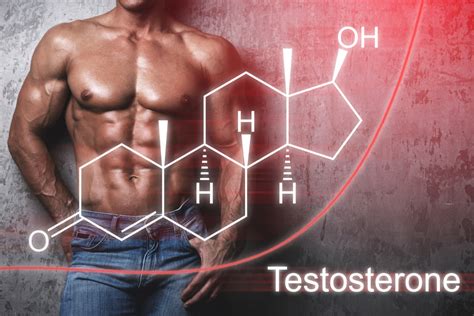
Testosterone, a crucial hormone in both men and women (though in differing amounts), plays a pivotal role in maintaining muscle mass, bone density, energy levels, mood, and libido. As we age, or due to various lifestyle factors, testosterone levels can decline, leading to reduced strength, fatigue, and a dip in overall vitality. Fortunately, dietary choices offer a powerful, natural pathway to support healthy testosterone production and optimize these vital aspects of health.
Essential Nutrients for Testosterone Production
To effectively boost testosterone, your diet must provide the building blocks and cofactors necessary for its synthesis. A deficiency in certain micronutrients can directly impair hormone production.
Zinc: The Mineral Powerhouse
Zinc is indispensable for testosterone synthesis. Studies have shown a strong correlation between zinc deficiency and low testosterone levels. Incorporating zinc-rich foods into your diet is a straightforward way to support this vital process.
- Excellent Sources: Oysters, red meat (beef, lamb), poultry, beans, nuts (cashews, almonds), seeds (pumpkin, sesame), dairy products, and whole grains.
Vitamin D: The Sunshine Vitamin
Often referred to as a pro-hormone, Vitamin D is directly linked to testosterone levels. Research indicates that optimizing Vitamin D status can lead to significant increases in testosterone. While sun exposure is the primary source, dietary intake is also important.
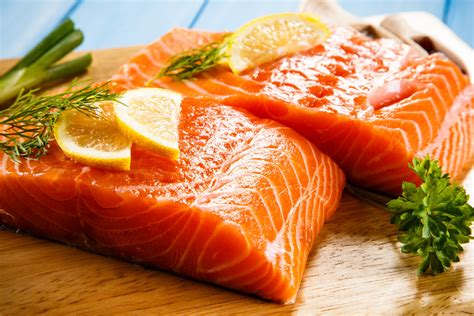
- Excellent Sources: Fatty fish (salmon, mackerel, tuna), fortified dairy products, egg yolks, and certain mushrooms.
Healthy Fats: Crucial for Hormonal Balance
Contrary to outdated beliefs, healthy fats are not the enemy; they are essential for hormone production, including testosterone. A diet too low in fat can negatively impact your body’s ability to synthesize hormones.
- Monounsaturated Fats: Avocados, olive oil, nuts (almonds, pecans).
- Polyunsaturated Fats (Omega-3s): Fatty fish (salmon, flaxseeds, walnuts), chia seeds.
- Saturated Fats (in moderation): From quality sources like grass-fed meat and coconut oil, these also play a role in cholesterol production, a precursor to testosterone.
Protein: The Foundation of Muscle and Hormones
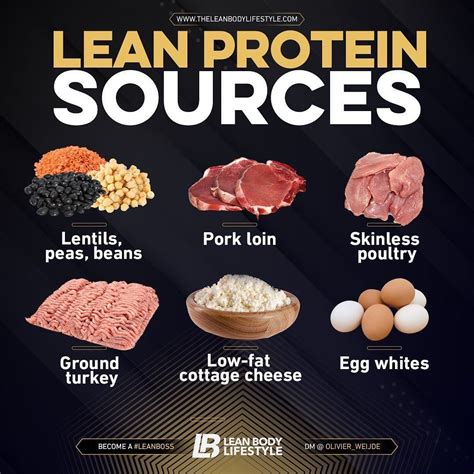
Adequate protein intake is fundamental for muscle building and repair, which indirectly supports healthy testosterone levels. Furthermore, certain amino acids found in protein are vital for overall hormonal health.
- Excellent Sources: Lean meats, poultry, fish, eggs, dairy, legumes, and protein powders.
Foods to Emphasize for Testosterone Optimization
Beyond specific nutrients, certain whole foods offer synergistic benefits that contribute to a pro-testosterone environment in the body.
- Cruciferous Vegetables: Broccoli, cauliflower, Brussels sprouts, and cabbage contain indole-3-carbinol, a compound that helps the body metabolize estrogen, potentially leading to a better testosterone-to-estrogen ratio.
- Onions and Garlic: These alliums contain compounds that may reduce oxidative stress and support the production of luteinizing hormone, which stimulates testosterone production.
- Berries and Antioxidant-Rich Fruits: Blueberries, raspberries, and pomegranates are packed with antioxidants that combat oxidative stress, which can otherwise impair testosterone production.
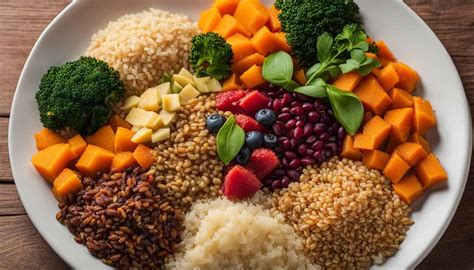
- Whole Grains: Provide complex carbohydrates for sustained energy and fiber for gut health, both indirectly supporting overall hormonal balance.
Dietary Habits to Limit or Avoid
Just as important as what you include in your diet is what you choose to limit or avoid.
- Excessive Sugar and Refined Carbohydrates: These can lead to insulin resistance and increased body fat, both of which are detrimental to testosterone levels.
- Trans Fats and Highly Processed Foods: Often found in fast food and packaged snacks, trans fats can negatively impact heart health and hormone function.
- Excessive Alcohol Consumption: Heavy drinking can directly interfere with the testes’ ability to produce testosterone and increase estrogen levels.

A Holistic Approach: Beyond Just Food
While diet is a cornerstone, remember that testosterone optimization is a holistic endeavor. Adequate sleep (7-9 hours), regular strength training and high-intensity interval training (HIIT), and effective stress management are equally critical. Hydration also plays a key role, as water is essential for every bodily function, including hormone transport.
Conclusion: Fueling Your Strength and Vitality
Optimizing testosterone levels through diet is a powerful strategy to enhance strength, boost energy, and improve overall vitality. By focusing on a balanced intake of zinc, Vitamin D, healthy fats, and quality protein, alongside an emphasis on whole, unprocessed foods and limiting detrimental dietary habits, you can naturally support your body’s hormonal health. Consistency is key, and while dietary changes can yield significant benefits, consulting with a healthcare professional or registered dietitian is always recommended for personalized advice, especially if you suspect a clinical deficiency or hormonal imbalance.