




How to optimize pre-workout nutrition for peak energy & strength gains?
The fuel you put into your body before a workout significantly impacts your energy levels, strength, and overall performance. Strategic pre-workout nutrition isn’t just about eating; it’s about providing your muscles with readily available energy and amino acids to power through intense training, reduce fatigue, and kickstart the recovery process. Understanding the science behind this can transform your workouts and accelerate your progress.
The Core Macronutrients for Pre-Workout
Your pre-workout meal or snack should primarily focus on a balanced intake of carbohydrates and protein, with fats playing a supporting but less immediate role.
Carbohydrates: Your Primary Energy Source
Carbohydrates are your body’s preferred fuel source, especially for high-intensity exercise. They are broken down into glucose, which is stored as glycogen in your muscles and liver. Adequate glycogen stores prevent fatigue and allow for sustained effort.
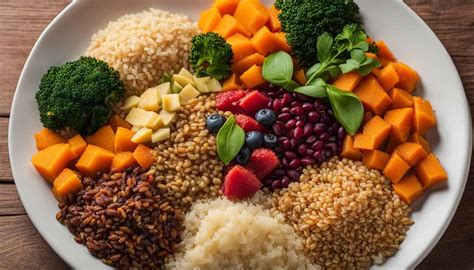
- Complex Carbs (2-3 hours prior): Opt for slow-digesting carbohydrates like oats, whole-grain bread, sweet potatoes, or brown rice. These provide a steady release of energy over time.
- Simple Carbs (30-60 minutes prior): If your workout is imminent, a small amount of fast-digesting carbs like a banana, dried fruit, or a sports drink can provide a quick energy boost without causing digestive distress.

Protein: Muscle Protection and Repair
Consuming protein before a workout provides your muscles with amino acids, which can help reduce muscle breakdown during exercise and support muscle protein synthesis. This is crucial for both strength gains and recovery.
- Lean Protein Sources: Chicken breast, turkey, Greek yogurt, eggs, or a whey protein shake are excellent choices.
- Timing: Aim for 20-40 grams of protein, ideally consumed 1-3 hours before training.
Fats: A Minor Role
While healthy fats are vital for overall health, they digest slowly and can potentially cause stomach upset if consumed too close to a workout. Keep fat intake minimal in your immediate pre-workout meal.
Timing is Everything
The timing of your pre-workout meal is almost as important as its content. Digestibility and energy availability are key considerations.
- 2-3 Hours Before: This is ideal for a larger, balanced meal containing complex carbohydrates, lean protein, and a small amount of healthy fats. This allows for proper digestion and nutrient absorption.
- 30-60 Minutes Before: If you’re short on time, opt for a smaller, easily digestible snack. Focus on quick-digesting carbohydrates and a bit of protein, such as a banana with a scoop of whey protein, or a handful of berries and Greek yogurt.
- Immediately Before (0-30 Minutes): For most, eating right before a workout isn’t recommended as it can lead to digestive discomfort. However, some athletes might tolerate a very small, liquid carbohydrate source.

Hydration: The Unsung Hero
Adequate hydration is critical for performance. Even mild dehydration can significantly impair strength, endurance, and cognitive function. Start hydrating hours before your workout.
- General Guideline: Aim to drink 16-20 ounces of water 2-3 hours before exercise, and another 8-10 ounces 20-30 minutes prior.
- Electrolytes: For longer or more intense sessions, consider an electrolyte-enhanced beverage to replenish minerals lost through sweat.

Optional Pre-Workout Supplements
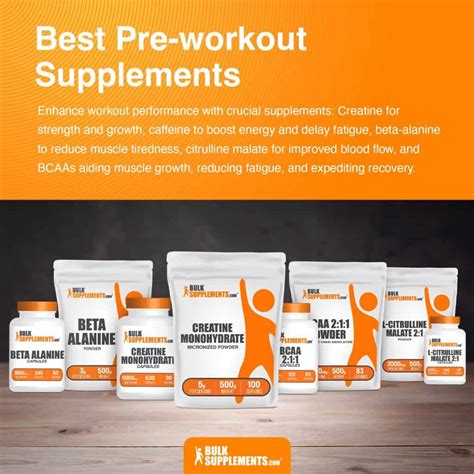
While whole foods should be the foundation, certain supplements can complement your pre-workout nutrition for an extra edge.
- Caffeine: Known to increase alertness, reduce perceived exertion, and improve focus.
- Creatine: Enhances strength and power output by increasing the availability of ATP (adenosine triphosphate) for muscle contraction.
- Beta-Alanine: Can help buffer lactic acid, delaying muscle fatigue and improving endurance.
- BCAAs (Branched-Chain Amino Acids): May help reduce muscle breakdown and fatigue during exercise, especially during fasted training.
Always consult a healthcare professional before adding supplements to your routine.

Sample Pre-Workout Meal Ideas
- 2-3 Hours Before: Oatmeal with berries and a scoop of protein powder; whole-wheat toast with scrambled eggs and avocado; chicken breast with sweet potato and greens.
- 30-60 Minutes Before: Banana with a small handful of almonds; Greek yogurt with a small amount of fruit; a small whey protein shake.
Fine-Tuning Your Strategy
Pre-workout nutrition is highly individual. What works perfectly for one person might cause discomfort for another. Pay attention to how your body responds to different foods and timings. Experiment with portions, food types, and macronutrient ratios to find your optimal strategy. Keep a training journal to track your food intake and performance to identify patterns and refine your approach.
By prioritizing smart pre-workout nutrition, you’re not just eating; you’re strategically fueling your body for peak performance, ensuring you have the energy to push harder, lift heavier, and achieve your strength and fitness goals more effectively.