




Best strategies to boost testosterone naturally for male vitality & peak performance?

Understanding Testosterone and Its Importance
Testosterone is the primary male sex hormone, crucial not only for libido and reproductive health but also for muscle mass, bone density, mood, energy levels, and cognitive function. As men age, testosterone levels naturally decline, but lifestyle factors can significantly impact this process. Low testosterone can lead to fatigue, decreased muscle mass, increased body fat, reduced libido, and mood disturbances. Fortunately, several natural strategies can help optimize your body’s testosterone production, fostering male vitality and peak performance.
The Power of Nutrition: Fueling Your Hormones
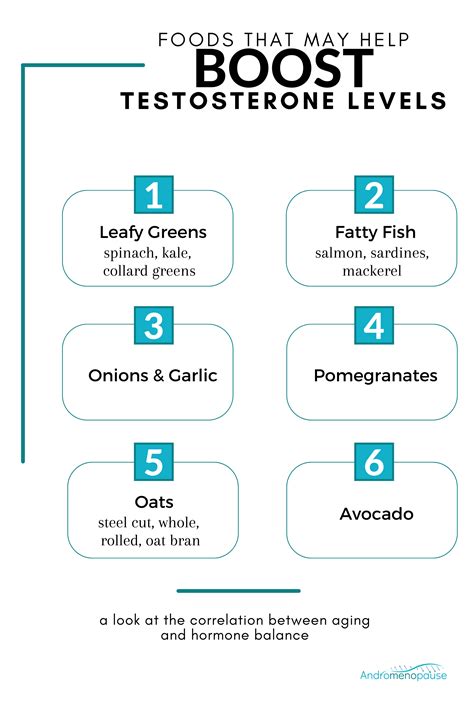
Your diet plays a foundational role in hormone synthesis. Prioritizing nutrient-dense foods is paramount. Healthy fats, in particular, are essential as testosterone is derived from cholesterol. Incorporate sources like avocados, nuts, seeds, olive oil, and fatty fish (salmon, mackerel).
Adequate protein intake is also crucial for muscle maintenance and overall health, which indirectly supports hormone balance. Aim for lean proteins such as chicken, turkey, eggs, and legumes. Equally important are micronutrients; deficiencies in specific vitamins and minerals can hinder testosterone production. Zinc, found in oysters, red meat, and pumpkin seeds, and Vitamin D, primarily from sun exposure and fortified foods, are critical for testosterone synthesis. Magnesium, present in leafy greens, nuts, and whole grains, also contributes to free testosterone levels.

Exercise Right: Lift, Sprint, Thrive
Specific types of exercise are proven testosterone boosters. Resistance training, such as weightlifting, is highly effective. Compound exercises that work multiple muscle groups simultaneously (e.g., squats, deadlifts, bench presses) elicit the greatest hormonal response. Aim for 3-4 sessions per week, focusing on progressive overload.
High-Intensity Interval Training (HIIT) is another powerful tool. Short bursts of intense exercise followed by brief recovery periods can significantly elevate testosterone levels. Incorporate HIIT into your routine 1-2 times a week. Avoid excessive endurance training, as prolonged cardio can sometimes have a detrimental effect on testosterone levels, particularly if not balanced with proper nutrition and recovery.
Prioritize Sleep: The Foundation of Hormone Production
Sleep is not merely rest; it’s a critical period for hormone regulation and repair. Testosterone is primarily produced during deep sleep phases. Chronic sleep deprivation can drastically lower testosterone levels. Studies have shown that even a week of restricted sleep can lead to a significant drop in a healthy young man’s testosterone.
Aim for 7-9 hours of high-quality, uninterrupted sleep per night. Establish a consistent sleep schedule, create a dark, cool, and quiet sleep environment, and avoid screens before bedtime to optimize your circadian rhythm and hormone production.

Master Stress: Taming Cortisol’s Impact
Chronic stress is a silent killer of testosterone. When you’re stressed, your body releases cortisol, the primary stress hormone. High cortisol levels have an inverse relationship with testosterone; as cortisol goes up, testosterone tends to go down. This is because both hormones share a common precursor, pregnenolone, leading to a ‘pregnenolone steal’ where more is shunted towards cortisol production.
Implementing stress-reduction techniques is vital. Practices like meditation, deep breathing exercises, yoga, spending time in nature, or engaging in hobbies can help lower cortisol and create a more favorable hormonal environment. Prioritizing mental well-being is as important as physical training.
Lifestyle Adjustments: What to Avoid and Embrace
Beyond diet, exercise, sleep, and stress, other lifestyle factors can influence testosterone. Limiting alcohol intake is crucial, as excessive consumption can disrupt hormonal balance. Reducing sugar intake is also beneficial, as high sugar levels can lead to insulin resistance, which can negatively impact testosterone.
Furthermore, be mindful of environmental endocrine disruptors found in plastics (BPA, phthalates), pesticides, and certain personal care products. These chemicals can mimic hormones or interfere with their production. Opt for natural, organic products where possible and store food in glass containers to minimize exposure. Embrace sunshine for natural Vitamin D synthesis and maintain a healthy body weight, as excess body fat can convert testosterone into estrogen.

Conclusion: Your Path to Natural Testosterone Optimization
Boosting testosterone naturally is not about quick fixes but about consistent, holistic lifestyle changes. By optimizing your nutrition, engaging in targeted exercise, prioritizing quality sleep, effectively managing stress, and making conscious lifestyle choices, you can empower your body to produce testosterone at optimal levels. This comprehensive approach will not only enhance male vitality and peak performance but also contribute to overall health, well-being, and longevity. Embrace these strategies as a sustainable path to a more vibrant and energetic you.