





Optimize post-workout recovery for faster muscle growth & daily energy?
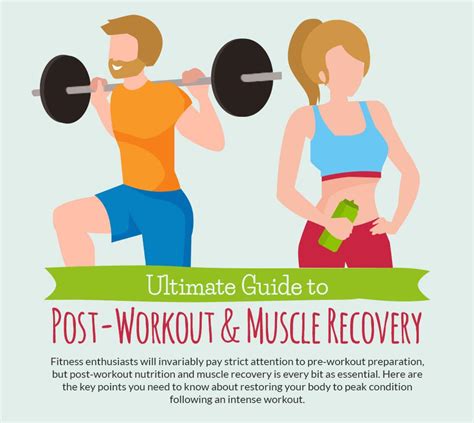
Unlock Your Full Potential: The Power of Post-Workout Recovery
Many fitness enthusiasts focus intensely on their workouts, pushing limits and striving for new personal bests. While consistent training is undoubtedly essential, what often gets overlooked is the equally critical phase that follows: post-workout recovery. Optimizing this period is not just about feeling less sore; it’s the secret sauce for accelerating muscle growth, improving performance in subsequent sessions, and ensuring you have ample energy to tackle your daily life.
Ignoring proper recovery can lead to plateaus, increased risk of injury, chronic fatigue, and even hinder the very muscle gains you’re working so hard for. This article delves into the key pillars of effective post-workout recovery, transforming your routine from just working out to truly growing and thriving.

Rehydrate and Replenish: The Foundation of Recovery
During an intense workout, your body loses significant fluids and electrolytes through sweat. Dehydration can impair recovery, reduce performance, and cause fatigue. Rehydrating properly is arguably the first and most fundamental step in post-workout recovery.
- Water is Key: Start by consistently sipping water throughout your workout and aim to drink at least 16-24 ounces of water for every pound of body weight lost during exercise (weigh yourself before and after).
- Electrolyte Balance: For longer or more intense sessions, consider an electrolyte-rich drink to replenish sodium, potassium, and magnesium.
Fuel for Growth: Strategic Post-Workout Nutrition
What you eat after a workout is paramount for repairing muscle tissue, replenishing glycogen stores, and initiating the growth process. The “anabolic window” might be wider than once thought, but consuming the right nutrients within 30-60 minutes post-exercise can significantly optimize recovery.
- Protein Power: Aim for 20-40 grams of high-quality protein (e.g., whey, casein, lean meats, eggs, plant-based proteins) to provide the amino acids necessary for muscle repair and synthesis.
- Carbohydrate Reload: Replenish depleted glycogen stores with complex carbohydrates (e.g., sweet potatoes, quinoa, brown rice, fruits, oats). A 2:1 or 3:1 carb-to-protein ratio is often recommended.
- Healthy Fats: While not immediately post-workout, incorporating healthy fats into your overall diet supports hormone production and reduces inflammation, contributing to long-term recovery.

The Ultimate Healer: Prioritizing Quality Sleep
Sleep is arguably the most underrated yet critical component of recovery. It’s during deep sleep that your body releases growth hormone, repairs tissues, consolidates memories, and regenerates energy stores. Skimping on sleep directly impairs muscle recovery and growth.
- Aim for 7-9 Hours: Most active adults need 7-9 hours of quality sleep per night.
- Establish a Routine: Go to bed and wake up around the same time each day, even on weekends.
- Optimize Your Environment: Ensure your bedroom is dark, quiet, and cool. Avoid screens before bed.

Beyond Rest: Active Recovery and Flexibility
While rest is vital, complete inactivity isn’t always the best approach. Light, low-impact activities can help promote blood flow, deliver nutrients to muscles, and remove metabolic waste products, reducing delayed onset muscle soreness (DOMS).
- Light Cardio: Gentle walking, cycling, or swimming for 20-30 minutes can be beneficial on rest days.
- Stretching and Mobility: Incorporate dynamic stretches before workouts and static stretches after. Yoga or foam rolling can also improve flexibility and alleviate muscle tightness.

Holistic Approach: Mindset and Strategic Supplementation
Chronic stress elevates cortisol levels, which can hinder muscle growth and impair recovery. Incorporating stress-reducing practices like meditation, deep breathing, or spending time in nature can have a significant positive impact on your physical recovery.
While diet and sleep are foundational, certain supplements can play a supporting role in optimizing recovery:
- Creatine: Enhances strength, power, and muscle mass, and aids in ATP regeneration.
- BCAAs (Branched-Chain Amino Acids): Can reduce muscle soreness and promote protein synthesis.
- Omega-3 Fatty Acids: Possess anti-inflammatory properties crucial for reducing exercise-induced inflammation.

Embrace Recovery, Accelerate Growth
Treating post-workout recovery as an integral part of your training regimen, rather than an afterthought, is the game-changer for anyone serious about fitness. By consistently prioritizing proper hydration, strategic nutrition, quality sleep, active recovery, and managing stress, you’ll not only accelerate muscle growth and reduce recovery time but also significantly boost your daily energy levels and overall well-being. Make recovery a non-negotiable part of your fitness journey, and watch your progress soar.