




How can men naturally optimize testosterone for strength & vitality?

Testosterone, often hailed as the cornerstone of male health, plays a pivotal role in more than just sex drive. It influences muscle mass, bone density, mood, energy levels, and cognitive function. While synthetic options exist, many men seek natural, sustainable methods to boost their testosterone for improved strength and overall vitality. The good news is that foundational lifestyle changes can significantly impact your hormone balance, putting you in control of your well-being.
The Foundation: Nutrient-Rich Diet
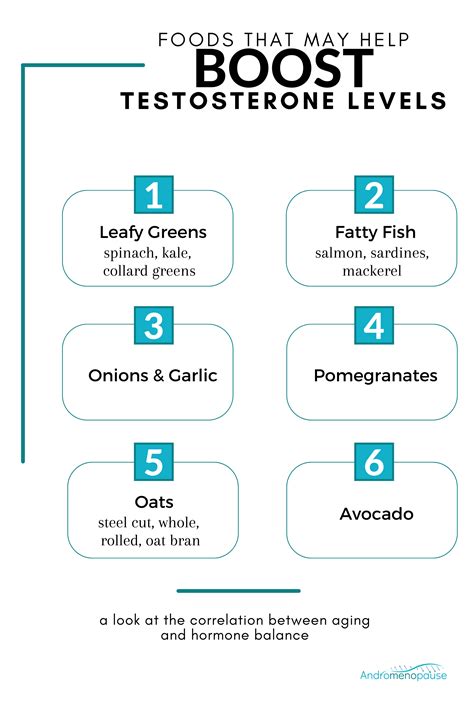
What you eat directly impacts your hormonal symphony. To support healthy testosterone production, focus on a diet rich in whole, unprocessed foods. Prioritize healthy fats, such as those found in avocados, nuts, seeds, and olive oil, as cholesterol is a precursor to testosterone. Adequate protein intake from lean meats, fish, eggs, and legumes is crucial for muscle synthesis, which indirectly supports hormone health.
Furthermore, specific micronutrients are non-negotiable. Zinc, found in oysters, red meat, and pumpkin seeds, is vital for testosterone synthesis. Vitamin D, often called the “sunshine vitamin,” is a powerful steroid hormone itself and has been strongly linked to testosterone levels. Ensure you’re getting enough through sun exposure, fatty fish, or supplementation if necessary. Limit processed sugars and unhealthy trans fats, which can disrupt hormone balance and contribute to inflammation.

Move for Muscle: The Power of Exercise
Physical activity is a potent natural testosterone booster. Resistance training, in particular, has been shown to elevate testosterone levels. Focus on compound movements like squats, deadlifts, bench presses, and overhead presses, which engage multiple muscle groups and stimulate a greater hormonal response. High-Intensity Interval Training (HIIT) can also be effective, but be mindful of overtraining, as excessive, prolonged cardio or insufficient recovery can paradoxically lower testosterone by increasing cortisol.

Rest and Rejuvenate: Prioritizing Quality Sleep
Sleep is not a luxury; it’s a biological necessity, especially for hormone production. Testosterone is primarily produced during sleep, with peak levels occurring during deep REM cycles. Chronic sleep deprivation, even just a few hours less per night, can significantly decrease testosterone levels. Aim for 7-9 hours of high-quality, uninterrupted sleep per night. Establish a consistent sleep schedule, create a dark and cool bedroom environment, and avoid screens before bed to optimize your body’s natural restorative processes.
Master Your Mind: Stress Reduction
In our fast-paced world, stress is an inevitable part of life, but chronic stress is detrimental to testosterone. When you’re stressed, your body releases cortisol, a stress hormone. High cortisol levels can directly inhibit testosterone production and utilization. Incorporate stress-reduction techniques into your daily routine: meditation, deep breathing exercises, yoga, spending time in nature, or engaging in hobbies you enjoy. Managing stress effectively is a powerful tool in your hormonal optimization arsenal.

Lifestyle Choices for Optimal T
Beyond diet, exercise, and sleep, several other lifestyle factors contribute to testosterone health. Moderate alcohol consumption is key; excessive alcohol intake can directly harm Leydig cells, which produce testosterone in the testes. Additionally, be aware of endocrine-disrupting chemicals (EDCs) found in plastics, pesticides, and certain personal care products, which can mimic or block hormones. Opt for glass or stainless steel containers, choose organic produce when possible, and read labels on household items.
Ensuring adequate sunlight exposure for natural vitamin D synthesis, maintaining a healthy body weight (as excess body fat can convert testosterone to estrogen), and potentially incorporating adaptogenic herbs like Ashwagandha (under professional guidance) can further support your efforts.

Conclusion: A Holistic Approach
Optimizing testosterone naturally for strength and vitality isn’t about quick fixes; it’s about adopting a holistic and consistent approach to your health. By prioritizing a nutrient-dense diet, engaging in regular strength training, safeguarding your sleep, managing stress effectively, and making conscious lifestyle choices, you can create an environment where your body thrives. These synergistic efforts will not only help boost your testosterone levels but also enhance your overall well-being, leading to greater strength, energy, and a profound sense of vitality.