




How to prevent razor burn for a flawless, performance-ready shave?
Understanding and Combating Razor Burn
Razor burn is an unwelcome companion for many, manifesting as red, irritated skin, bumps, and discomfort after shaving. It’s often caused by incorrect shaving techniques, dull blades, or improper skin preparation. For anyone aiming for a flawless, performance-ready look, preventing razor burn is paramount. This guide will walk you through the essential steps to achieve an impeccably smooth shave without the irritation.

Step 1: Meticulous Pre-Shave Preparation
The secret to a great shave begins long before the blade touches your skin. Proper preparation softens the hair, opens pores, and creates a protective barrier.
- Exfoliate Gently: A day or two before shaving, gently exfoliate your skin to remove dead skin cells and prevent ingrown hairs. Avoid harsh scrubs immediately before shaving, as this can over-sensitize the skin.
- Warm Water & Steam: Shave after a warm shower or use a warm, damp towel compress on your face for a few minutes. The heat and steam soften the hair follicles and make them easier to cut, reducing tugging and pulling.
- Apply Pre-Shave Oil: A good quality pre-shave oil creates a slick layer between your skin and the blade, minimizing friction and irritation. It also helps the razor glide more smoothly over your skin.
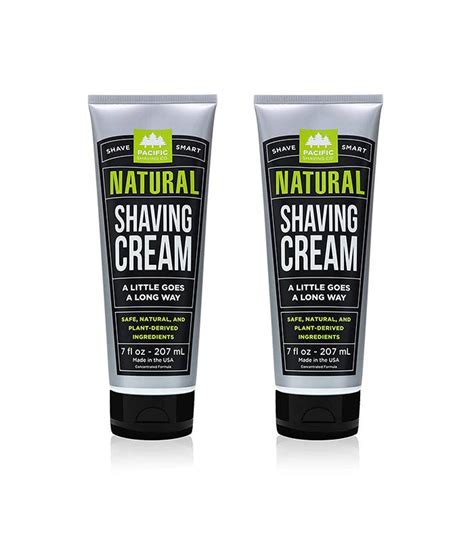
- Lather Up Properly: Use a rich, hydrating shaving cream or gel, not just soap. Apply it generously and let it sit for a minute or two to further soften the beard. Work it into a thick, creamy lather that fully coats each hair.
Step 2: Master Your Shaving Technique
How you wield your razor makes a significant difference in preventing razor burn and achieving a close, comfortable shave.
- Use a Sharp, Clean Blade: This is arguably the most crucial step. A dull blade drags, pulls, and causes micro-abrasions, leading to razor burn. Change your blade every 5-7 shaves or when you feel any tugging. Rinse your blade thoroughly after each stroke to clear away hair and cream.
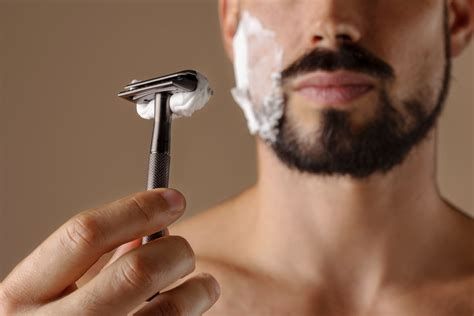
- Shave With the Grain First: For your first pass, always shave in the direction of hair growth. This minimizes irritation, especially for sensitive skin. If you need a closer shave, re-lather and make a second pass across the grain, or very carefully against the grain if your skin can tolerate it, but only in areas less prone to irritation.
- No Pressure: Let the weight of the razor do the work. Pressing down too hard increases friction and can cut the skin or remove too many layers of skin, leading to burn.
- Short, Gentle Strokes: Use short, controlled strokes rather than long, sweeping ones. This allows for better control and reduces the chance of missed spots or over-shaving an area.
- Stretch Your Skin: Gently stretching your skin taut (but not excessively) creates a flat surface, making it easier for the blade to glide smoothly and cut hair evenly.
Step 3: Essential Post-Shave Care
The steps you take immediately after shaving are just as important as the preparation and technique.
- Rinse with Cold Water: After shaving, rinse your face thoroughly with cold water. This helps to close your pores, soothe the skin, and remove any remaining shaving cream or stray hairs.
- Pat Dry, Don’t Rub: Gently pat your skin dry with a clean, soft towel. Rubbing can irritate freshly shaven skin.
- Apply a Soothing Aftershave: Choose an alcohol-free aftershave balm or lotion. Alcohol-based products can dry out and irritate the skin. Look for ingredients like aloe vera, witch hazel, chamomile, or allantoin, which have soothing and anti-inflammatory properties.
- Moisturize: Even if you use an aftershave, follow up with a non-comedogenic moisturizer to keep your skin hydrated and maintain its barrier function. Hydrated skin is less prone to irritation.

Step 4: Maintain Your Shaving Tools and Schedule
Your tools and habits play a crucial role in preventing razor burn.
- Clean Your Razor: Always rinse your razor thoroughly after each use and allow it to air dry. Store it in a dry place to prevent bacterial growth and corrosion.
- Replace Blades Regularly: As mentioned, dull blades are a prime culprit for razor burn. Don’t try to extend the life of a blade beyond its effective lifespan.
- Consider Your Shaving Frequency: If you’re particularly prone to razor burn, try shaving every other day or less frequently to give your skin a chance to recover.
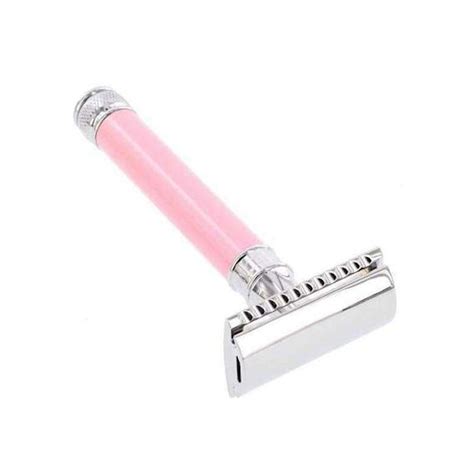
- Explore Different Razors: While multi-blade razors can provide a close shave, they can also cause more irritation for some. Consider experimenting with a single-blade safety razor or an electric shaver if razor burn is a persistent problem.

Achieving Your Best Shave Yet
Preventing razor burn is a combination of good habits, quality tools, and understanding your skin. By meticulously following these steps – from thorough preparation and mindful technique to attentive post-shave care and tool maintenance – you can banish razor burn and consistently enjoy a smooth, comfortable, and performance-ready shave every time. Consistency is key, so make these practices a regular part of your grooming routine.