





Optimal daily macros for sustained energy & peak male performance?
For men aiming to maximize physical and cognitive performance, maintain a lean physique, and enjoy sustained energy throughout the day, understanding macronutrients is fundamental. Macronutrients – protein, carbohydrates, and fats – are the building blocks of our diet, providing the energy and raw materials essential for every bodily function. But it’s not just about consuming them; it’s about optimizing their ratios and sources to unlock your full potential.
Understanding the Macro Blueprint for Men
While general nutrition guidelines exist, the ‘optimal’ macro ratio for men often depends on individual factors such as age, activity level, fitness goals (e.g., muscle gain, fat loss, endurance), and overall health. However, certain principles consistently apply for sustained energy and peak performance. Balancing these three macros correctly supports hormone production, muscle repair, cognitive function, and metabolic health.

Protein: The Foundation of Strength and Recovery
Protein is paramount for men, particularly those engaged in regular physical activity. It’s crucial for muscle repair and growth, enzyme and hormone production, and contributes significantly to satiety, helping manage appetite and prevent overeating. For active men, a protein intake of 1.6 to 2.2 grams per kilogram of body weight per day is often recommended.
Prioritize lean protein sources like:
- Chicken breast, turkey, lean beef
- Fish (salmon, tuna, cod)
- Eggs
- Dairy (Greek yogurt, cottage cheese)
- Legumes and plant-based proteins (lentils, beans, tofu)
Carbohydrates: Fueling Your Day and Workouts
Carbohydrates are your body’s primary energy source, essential for both daily activities and intense workouts. They fuel your muscles and brain, preventing fatigue and supporting high-intensity performance. The key is to choose the right types of carbohydrates.
Focus on complex carbohydrates that provide sustained energy and fiber:
- Whole grains (oats, brown rice, quinoa, whole-wheat bread)
- Starchy vegetables (sweet potatoes, potatoes)
- Fruits (berries, apples, bananas)
- Legumes
Timing your carbohydrate intake, especially around workouts, can also optimize performance and recovery. Consuming complex carbs a few hours before exercise provides sustained energy, while a mix of simple and complex carbs post-workout helps replenish glycogen stores rapidly.

Healthy Fats: Essential for Hormones and Overall Vitality
Fats are often misunderstood but are absolutely vital for male health. They play a critical role in hormone production, including testosterone, which is central to male performance, libido, and muscle mass. Fats also aid in nutrient absorption, provide concentrated energy, and support cell membrane health.
Embrace sources of healthy monounsaturated and polyunsaturated fats:
- Avocados
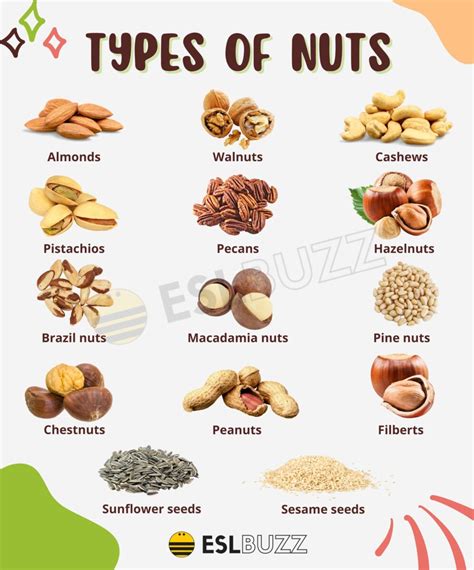
- Nuts (almonds, walnuts, cashews)
- Seeds (chia, flax, pumpkin)
- Olive oil, coconut oil
- Fatty fish (salmon, mackerel, sardines)
Aim for healthy fats to constitute 20-30% of your total daily caloric intake. Avoid trans fats and limit saturated fats, which can negatively impact cardiovascular health.
Finding Your Optimal Macro Ratio: A Personalized Approach
There’s no single ‘perfect’ macro ratio for all men. Instead, it’s about finding what works best for your body, lifestyle, and goals. A common starting point for active men might be a distribution around 30-40% protein, 30-40% carbohydrates, and 20-30% healthy fats. For those focusing on fat loss, a slightly higher protein intake might be beneficial, while endurance athletes may require more carbohydrates.
To determine your optimal ratio:
- Calculate Your Total Daily Energy Expenditure (TDEE): This is the total number of calories your body burns in a day.
- Set Your Goals: Are you looking to gain muscle, lose fat, or maintain? Adjust your caloric intake accordingly (surplus for gain, deficit for loss).
- Experiment and Adjust: Start with a recommended ratio and track your energy levels, performance, and body composition. Make small adjustments over time based on how you feel and the results you see.

Beyond Macros: Hydration and Micronutrients
While macros are crucial, don’t overlook the importance of adequate hydration and a rich intake of micronutrients (vitamins and minerals). Water is essential for every metabolic process, and a deficiency can significantly impair performance and energy. Similarly, vitamins and minerals, found abundantly in a diverse range of fruits, vegetables, and whole foods, act as cofactors for macro utilization and overall health.

Conclusion: Consistency is Key to Sustained Performance
Optimizing your daily macronutrient intake is a powerful strategy for men seeking sustained energy and peak performance. It requires a conscious effort to choose whole, nutrient-dense foods and to understand your body’s unique needs. By prioritizing protein for repair, complex carbohydrates for fuel, and healthy fats for hormonal balance, coupled with proper hydration and micronutrient intake, you can build a nutritional foundation that supports not just your physical prowess but your overall vitality and well-being for years to come. Consistency and mindful eating will be your greatest allies on this journey.